0%

The 2026 market for soft dog training treats is becoming more demanding, especially for retailers, trainers, and private-label brands. The American Pet Products Association reported that U.S. pet industry spending reached $150.6 billion in 2024. This growth supports continued demand for convenient, functional dog snacks. However, sales volume alone does not prove product quality.

This guide examines Soft training dog snacks wholesale suppliers through practical purchasing criteria. Soft treats should be small enough for repeated rewards, easy to break, and moist without becoming sticky. A trainer may open a pouch beside a crowded park, so clean handling and consistent texture matter. Suppliers should provide ingredient specifications, guaranteed analysis, allergen controls, shelf-life data, and batch traceability. Independent laboratory testing can also verify microbiological safety and declared nutrients. Standards connected with HACCP, GMP, FDA requirements, and relevant export regulations deserve careful review. Certifications help, but they do not replace supplier audits.

Market research from Grand View Research identifies premiumization and functional pet nutrition as important drivers in the global dog treats sector. That trend creates opportunities for recipes featuring limited ingredients, added joint support, or lower calories. Still, claims require evidence. A “calming” or “dental” promise should not be accepted without substantiation. MOQ, lead time, packaging durability, and recall procedures also affect real wholesale value. No supplier is perfect. Some impressive catalogs hide inconsistent delivery records or weak documentation. Therefore, this overview compares Soft training dog snacks wholesale suppliers using evidence, product experience, and commercial practicality, while recognizing that buyers must verify current certifications before placing orders.
2026 Best Soft Training Dog Snacks Wholesale Suppliers

What Makes Soft Training Dog Snacks Ideal for Reward-Based Learning

Soft training dog snacks are ideal for reward-based learning because dogs can eat them quickly and return to the task. A hard biscuit may require chewing, which breaks attention during leash practice or recall training. Soft pieces also work well for small, frequent rewards. Keep them tiny, about the size of a pea, especially during ten-minute sessions.

From practical training experience, smell and texture often influence a dog’s response more than appearance. A moist snack can be easier to break into consistent portions. This helps owners reward precise behavior, such as looking at the handler, sitting calmly, or leaving an object. Veterinary nutrition guidance also supports checking calories, protein sources, and added ingredients before regular use. Choose snacks suited to the dog’s age, size, allergies, and daily food intake.

Not every soft snack performs perfectly. Some become sticky in warm pockets, while others crumble inside training bags. I have also found that highly exciting treats can create jumping instead of focus. That part is easy to overlook. Wholesale buyers should request ingredient details, batch information, storage guidance, and sample packs before placing larger orders. A reliable supplier should provide clear labeling and consistent texture across batches. The best reward is not always the richest one; it is the treat the dog accepts calmly and can receive repeatedly without upsetting its diet.

Key Factors for Choosing a Reliable Wholesale Snack Supplier

A reliable wholesale supplier matters more than a low carton price. The American Pet Products Association reported that U.S. pet industry spending reached 150.6 billion dollars in 2024. This growth increases supplier competition, but it also makes quality verification essential. Ask for recent certificates of analysis, ingredient specifications, and batch-level traceability. A sample bag should show a clear lot code, production date, expiry date, and storage guidance. Small details matter.

Soft training snacks need consistent texture, especially when trainers reward dogs repeatedly. Check moisture levels, crumb rate, odor, and pouch sealing during practical testing. Request samples from different production batches, not only one attractive shipment. Suppliers should explain their testing for pathogens, contaminants, and nutritional accuracy. They should also provide transparent lead times and recall procedures. The Association of American Feed Control Officials offers useful labeling and nutritional reference points, although local requirements still need independent review.

Market reports also deserve careful interpretation. FEDIAF’s 2024 European facts and figures recorded about 139 million pet-owning households, showing broad demand for dependable pet products. Yet market growth does not guarantee supplier reliability. That assumption is risky. Compare minimum order quantities, storage conditions, payment terms, and replacement policies in writing. A responsive sales representative helps, but documented processes matter more. I would also test delivery under warm conditions, because soft snacks can harden, leak, or develop unpleasant odors. No supplier is perfect; a transparent mistake is often safer than a polished answer without evidence.

2026 Best Soft Training Dog Snacks Wholesale Suppliers

Key factors for choosing a reliable wholesale snack supplier

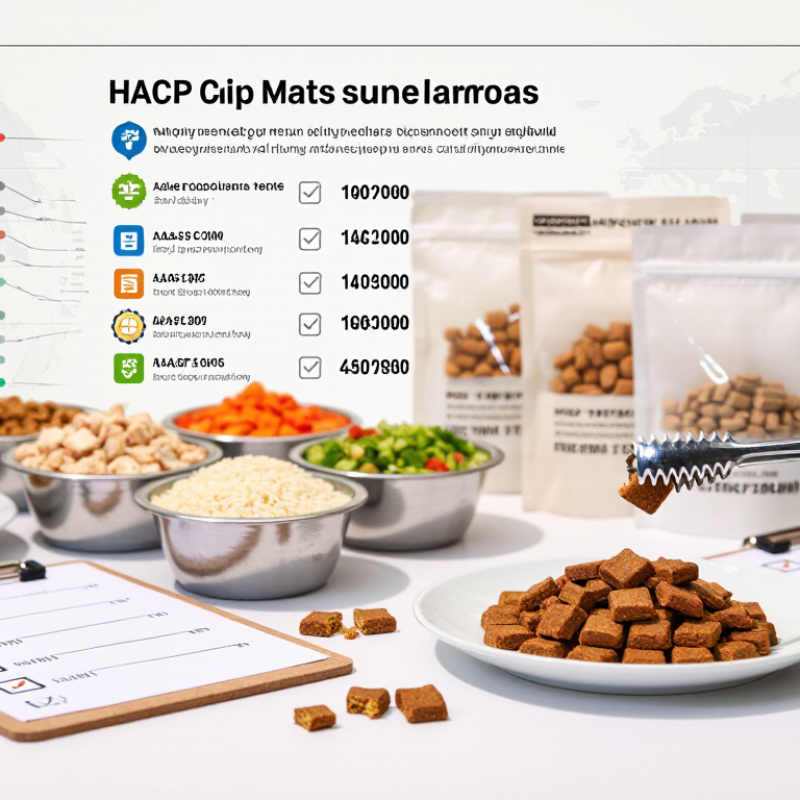
This recommended evaluation weighting prioritizes product safety, consistent quality, and dependable supply performance when comparing wholesale soft training dog snack suppliers.

Top Product, Ingredient, and Safety Standards to Compare

2026 Best Soft Training Dog Snacks Wholesale Suppliers

When comparing wholesale suppliers, start with product performance, not attractive packaging. A soft training snack should break cleanly into small pieces without crumbling in a handler’s pocket. Check texture after opening, especially in warm and humid conditions. Dogs need rewards, not oversized calories.

Ingredient quality requires careful reading. Look for clearly named animal proteins, identifiable grains or vegetables, and realistic nutritional information. Ask suppliers for batch-specific certificates of analysis, allergen controls, moisture results, and microbial testing. Vague terms can hide uncertainty. It is easy to trust a polished specification sheet too quickly.

Safety standards should include lot traceability, sealed packaging, expiration dating, and documented recall procedures. Confirm that the manufacturing site follows recognized feed-safety systems and allows independent quality audits. Request samples from different production batches before placing a large order. Compare odor, color, softness, and break strength. A reliable supplier should answer technical questions consistently, not only discuss price. No checklist is perfect. I would still recheck storage conditions, because heat can change texture and shorten shelf life. Suppliers that provide transparent records, practical samples, and responsive support are usually stronger long-term partners.

How to Evaluate Pricing, Packaging, Minimum Orders, and Shipping

2026 Best Soft Training Dog Snacks Wholesale Suppliers

A low unit price can hide expensive decisions. I once compared only the carton price and missed freight, relabeling, and damaged pouches. Request a landed-cost sheet instead. Include snack price, inner cartons, export packing, customs handling, and delivery. APPA reported U.S. pet industry spending of $152 billion in 2024, showing strong demand but also intense supplier competition. Buyers still need evidence, not optimistic quotes.

Packaging should protect texture during storage and transport. Ask for pouch thickness, seal testing, lot coding, shelf-life records, and moisture-barrier details. Soft treats can harden quickly after weak sealing. The Sustainable Packaging Coalition links better packaging choices with reduced material waste, but “eco-friendly” claims need measurable specifications. Request the packaging weight per kilogram of product. It reveals hidden costs. A beautiful pouch may be inefficient.

Tips: Compare three quotations using the same delivery terms. Confirm minimum order quantities by flavor, size, and packaging format. A supplier offering 500 cases may require separate MOQs for custom printing. Ask for a pilot order before committing. Inspect ten random bags, not just one sample. Check texture, odor, seal quality, and printed dates. Shipping estimates should include production time, port congestion, and a realistic buffer. The World Bank’s Logistics Performance Index shows uneven global logistics performance, so a cheap route may still arrive late. I would rather pay slightly more for predictable tracking than explain an empty warehouse to customers.

Best Practices for Wholesale Purchasing and Supplier Verification

For 2026 wholesale planning, soft training dog snacks should be evaluated beyond price. Start with a clear product specification. Define texture, size, moisture level, ingredients, packaging, and target dog sizes. Request samples from several suppliers before placing a bulk order. Test them during short training sessions. Check whether pieces break cleanly, smell fresh, and remain soft after opening. My experience is that attractive packaging cannot fix inconsistent texture. That mistake can become expensive.

Supplier verification requires practical evidence. Ask for current facility details, ingredient documentation, batch records, shelf-life data, and storage instructions. Confirm whether each shipment can be traced to a production batch. Review quality-control procedures, recall communication, and complaint handling. When possible, arrange a video inspection or independent factory audit. Check delivery history and minimum order quantities carefully. A low unit price may hide long lead times or costly rework. Do not rely only on certificates. Verify their dates, scope, and issuing organizations.

Tips: Order a small trial shipment first. Compare samples from different batches. Weigh several packets to check consistency. Inspect seals, labels, and delivery temperatures upon arrival. Keep written records of every conversation and test result. Ask direct questions about moisture migration and damaged cartons. If answers seem vague, pause the purchase. I once underestimated seasonal demand, so my reorder schedule was too tight. Build extra time into forecasts, even when previous deliveries were reliable.

2026 Best Soft Training Dog Snacks Wholesale Suppliers - Best Practices for Wholesale Purchasing and Supplier Verification
Evaluation Dimension Recommended Wholesale Benchmark What to Verify with the Supplier Required Documents or Evidence Purchasing Risk Recommended Action
Product Texture Soft, pliable texture that can be broken into small training portions without excessive crumbling. Request samples from at least two production lots and compare texture after opening and after storage. Product specification sheet, sample evaluation record, storage instructions. Hardening, crumbling, or inconsistent texture can reduce training usability and increase waste. Approve after lot testing
Treat Size and Weight Common training formats are small pieces or pieces designed to be divided; target a consistent unit weight for portion control. Measure at least 30 pieces from a sample carton and calculate average weight and weight variation. Dimensional specification, net-weight statement, quality-control records. Large weight variation makes feeding recommendations and cost-per-use calculations unreliable. Set a tolerance in the contract
Calorie Density For frequent training, select a low-calorie formula and confirm calories per treat or per gram rather than relying only on piece count. Check the calorie declaration and confirm the calculation method used by the manufacturer. Guaranteed analysis, calorie statement, laboratory or formulation report. Undeclared or underestimated calories may contribute to overfeeding. Require calorie data before purchase
Moisture and Water Activity Soft treats generally contain more moisture than dry biscuits; use the supplier’s specification and water-activity target to compare products. Ask for moisture and water-activity results from finished-product testing, not only raw-material data. Certificate of analysis, finished-batch test report, shelf-life study. High moisture or uncontrolled water activity can shorten shelf life and increase mold risk. Verify every production lot
Ingredient Transparency Ingredient list should identify animal proteins, grains, sweeteners, preservatives, and functional additives using clear names. Confirm that the commercial formula matches the approved sample and that substitutions require written approval. Full ingredient declaration, formula version, change-control procedure. Undisclosed substitutions can create allergen, labeling, and customer-compliance problems. Use a locked formula
Guaranteed Analysis At minimum, compare crude protein, crude fat, crude fiber, and moisture on a consistent basis. Confirm whether specifications are reported as-fed or on a dry-matter basis when comparing suppliers. Current guaranteed-analysis panel, laboratory report, product specification sheet. Different reporting bases can make apparently similar formulas difficult to compare accurately. Normalize data before comparison
Microbiological Safety Finished products should be tested under a documented food-safety program appropriate for pet treats. Review testing frequency, sample size, release criteria, and corrective-action procedures for pathogens and indicator organisms. Recent certificate of analysis, environmental-monitoring summary, recall procedure. Insufficient testing increases the risk of contaminated shipments and costly recalls. Require batch-release evidence
Raw-Material Traceability Each finished batch should be traceable to ingredient lots, production date, and packaging records. Ask the supplier to demonstrate a one-step-back and one-step-forward traceability exercise. Lot-coding procedure, mock-recall record, supplier approval procedure. Poor traceability can delay investigations and prevent targeted withdrawals. Perform an annual traceability test
Shelf Life Choose a shelf life that leaves adequate time for production, ocean or ground transit, customs clearance, warehousing, and retail sale. Confirm the minimum remaining shelf life required at shipment and at delivery. Shelf-life study, stability data, expiry-date policy. Short remaining shelf life can create markdowns, stock rotation problems, and customer complaints. Set a minimum arrival life
Packaging Barrier Packaging should protect soft treats from moisture gain, oxygen exposure, light, leakage, and physical damage. Review packaging material, seal integrity, carton strength, and performance during simulated transport. Packaging specification, seal-test record, transit-test report. Weak seals or poor moisture barriers can cause hardening, spoilage, and rejected cartons. Approve packaging samples
Minimum Order Quantity Negotiate MOQ by stock keeping unit and packaging format; request a smaller pilot order before committing to a full production run. Confirm whether MOQ changes for private labeling, custom formulas, custom packaging, or mixed cartons. Formal quotation, MOQ schedule, production lead-time statement. High MOQ can tie up cash and increase expiry risk if demand is uncertain. Start with a pilot order
Price Structure Compare landed cost, not only unit price: product, packaging, tooling, testing, freight, duties, insurance, and payment fees. Request tiered pricing at different order quantities and clarify all one-time and recurring charges. Itemized quotation, Incoterms, freight estimate, payment terms. Hidden charges can eliminate the apparent advantage of a low ex-works price. Use a landed-cost model
Production Capacity Supplier capacity should support forecasted demand plus seasonal peaks without compromising lead time or quality. Review monthly capacity, current utilization, backup equipment, and peak-season production planning. Capacity statement, production schedule, business-continuity plan. Overloaded production lines can cause late shipments and inconsistent batches. Validate capacity with records
Quality Management Prefer documented procedures for incoming materials, in-process checks, finished-product release, complaints, and corrective actions. Assess internal audits, nonconformance handling, calibration, sanitation, and employee training. Quality manual, audit summary, corrective-action examples, training records. Paper-only quality systems may fail to prevent recurring defects. Conduct a remote or onsite audit
Facility Verification Confirm the actual manufacturing site, legal operating entity, production address, and subcontracting arrangements. Match business-registration information, facility address, certificates, invoices, and bank details. Business license or registration, facility certificate, site photographs, audit report. Unverified intermediaries can create fraud, traceability, and accountability risks. Verify the legal manufacturer
Regulatory Labeling Labels should be reviewed against the destination market’s pet-food rules, including product identity, net quantity, ingredients, feeding guidance, and responsible-party details where required. Have the final artwork reviewed before printing and confirm that claims are supported and permitted in the target market. Final label proof, regulatory review, claim-substantiation file. Incorrect labels can cause customs holds, relabeling costs, or product withdrawal. Complete a market-specific review
Claims and Certifications Only use claims such as limited-ingredient, natural, functional, or hypoallergenic when the formula and evidence support them. Check certification scope, certificate validity, issuing body, covered facility, and covered product category. Certificate copies, audit scope, claim-substantiation documents. Unsupported claims can create regulatory and reputational exposure. Approve claims individually
Order Lead Time Document separate lead times for formula approval, packaging production, manufacturing, quality release, and shipment. Ask for best-case, standard, and peak-season lead times and define late-delivery notification rules. Production timeline, service-level terms, order-confirmation template. Unclear lead times make inventory planning and promotional launches unreliable. Build lead-time buffers
Payment Security Use staged payments linked to verifiable milestones and avoid paying the full balance before production and inspection. Confirm beneficiary details through an independent channel and investigate sudden changes to payment instructions. Signed quotation, purchase contract, pro forma invoice, inspection agreement. Payment fraud and nonconforming goods can result in substantial unrecoverable losses. Use controlled payment milestones
Pre-Shipment Inspection Inspect quantity, packaging, labeling, appearance, lot codes, and selected laboratory parameters before final payment. Define sampling levels, acceptance criteria, and treatment of failed inspections in the purchase agreement. Inspection checklist, inspection report, retained samples, corrective-action record. Without inspection, defects may remain undiscovered until the goods reach the warehouse or market. Inspect every new supplier
Supplier Scorecard Score quality, compliance, delivery, responsiveness, cost stability, documentation, and complaint resolution using the same criteria for every supplier. Review performance monthly during onboarding and at least quarterly after approval. Supplier scorecard, KPI dashboard, review meeting records. Decisions based only on price may overlook recurring quality or delivery failures. Use weighted supplier scoring

Purchasing note: The benchmarks in this table are practical procurement guidelines rather than universal legal requirements. Final specifications, testing methods, claims, and label content should be confirmed against the regulations of the destination market and the signed supplier agreement.

FAQS

What should buyers verify before choosing a wholesale snack supplier?

Request current certificates, ingredient specifications, and batch records. Check lot codes, production dates, expiry dates, and storage instructions. Small details matter.

How can buyers test soft training snacks properly?

Test samples from several production batches. Check texture, moisture, crumb rate, odor, and pouch sealing. Open bags during short training sessions. Pieces should break cleanly.

Why is one attractive sample not enough?

One sample may hide production variation. Compare several bags and batches. I once trusted a perfect sample too quickly. That was a costly mistake.

How should buyers calculate the real wholesale cost?

Request a landed-cost sheet. Include snack price, packaging, freight, customs handling, relabeling, and delivery. A cheap carton can become expensive.

What packaging details deserve close inspection?

Ask about pouch thickness, seal testing, moisture barriers, lot coding, and shelf-life records. Inspect ten random bags. A beautiful pouch may still protect poorly.

How can buyers compare minimum order quantities?

Confirm minimum orders by flavor, size, and packaging format. Custom printing may require separate quantities. Ask for a small pilot order first.

What should a reliable shipping estimate include?

It should include production time, port delays, tracking, and a realistic buffer. Test delivery during warm conditions. Soft snacks may harden, leak, or smell unpleasant.

How should supplier quality claims be verified?

Review facility details, batch traceability, recall procedures, and complaint handling. Check certificate dates and coverage. Do not rely on paperwork alone.

What records should buyers keep during supplier evaluation?

Keep written quotes, test results, delivery temperatures, photos, and conversation records. These details support better decisions. My reorder forecast was once too tight.

When should a buyer pause a purchase?

Pause when answers are vague, records are missing, or samples vary sharply. Transparent mistakes can be safer than polished answers without evidence.

Conclusion

Choosing the right Soft training dog snacks wholesale supplier is essential for businesses that want to support effective, reward-based learning. Soft treats are easy to break, quick to chew, and highly appealing, making them suitable for puppies, senior dogs, and training sessions that require frequent rewards. Reliable suppliers should offer clear ingredient lists, consistent product quality, responsible sourcing, and appropriate safety and quality-control procedures. Buyers should compare protein sources, nutritional value, texture, shelf life, packaging protection, and batch traceability before placing an order.

A successful wholesale purchase also depends on practical business terms. Evaluate unit pricing, volume discounts, minimum order quantities, private-label options, delivery schedules, and shipping conditions. Request product samples, certificates, updated specifications, and storage guidance to verify supplier claims. Checking customer service responsiveness, production capacity, replacement policies, and payment security can further reduce purchasing risks. By combining product evaluation with careful supplier verification, buyers can build a stable supply of safe, appealing training snacks while maintaining predictable costs and customer satisfaction.

Ethan

Ethan

Ethan is a dedicated marketing professional with a strong understanding of the company’s products, customers, and evolving market needs. Through years of experience in product communication, content strategy, and digital marketing, he has developed the ability to translate complex product features......