Mono-Component Rabbit Pellets
High-fiber Timothy & alfalfa grass pellets engineered for uniform ingestion. Prevents selective feeding while supporting natural dental wear and cecal fermentation.
Crude Fiber 20% · 3mm / 4mm Pellets
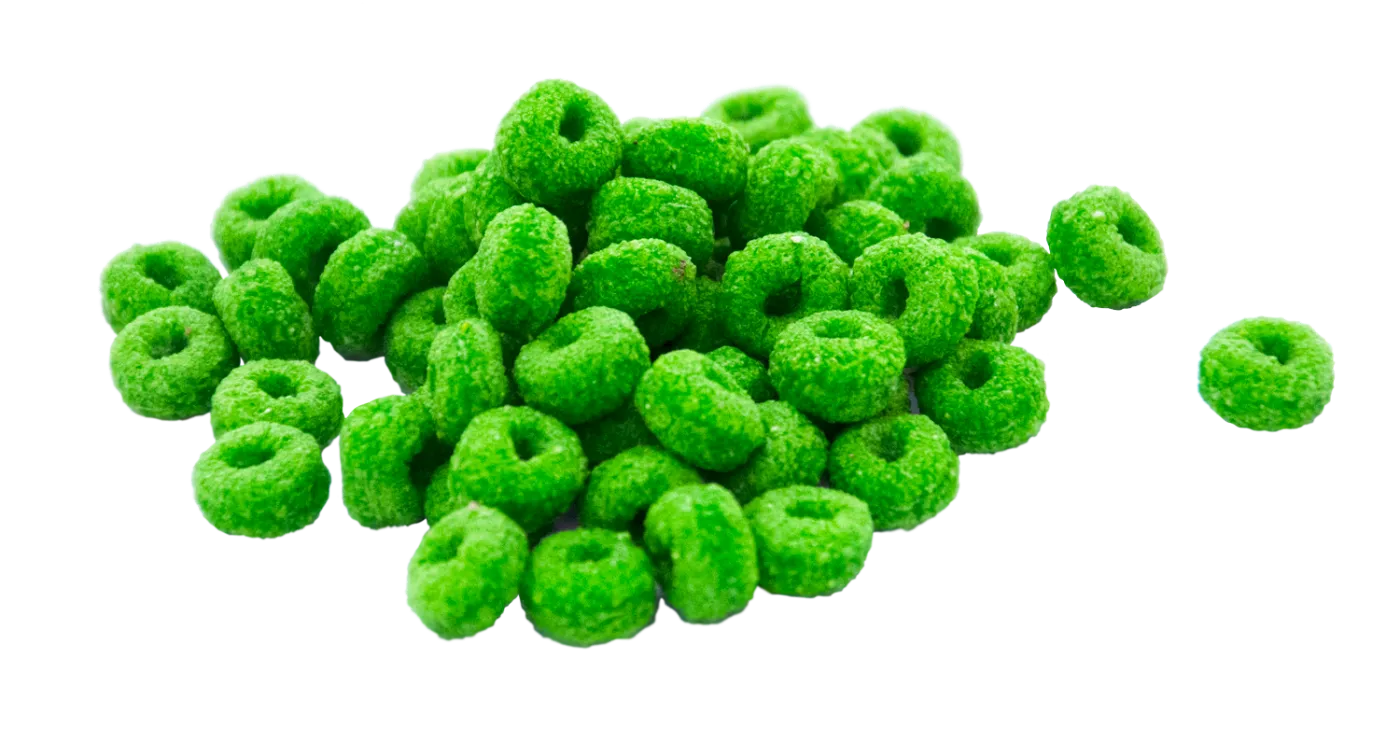 EU Extruded Pellets & Muesli Mixes
 Market Dynamics & Search Intent
The global small mammal pet care market—encompassing rabbits, guinea pigs, hamsters, gerbils, chinchillas, and degus—is undergoing a fundamental shift. Commercial buyers and retail category managers no longer seek cheap, seed-heavy muesli blends that trigger selective feeding and chronic veterinary conditions.
Modern pet owners and veterinary professionals demand **mono-component extruded pellets**, high crude fiber ratios (utilizing Timothy grass and alfalfa forage), stabilized essential micronutrients (such as protected Vitamin C), and absolute traceability. At PAMAX Petfoods (Pamax Kft.), we engineer contract small animal feed solutions directly in our Hungarian manufacturing facility, eliminating intermediaries and guaranteeing strict European Union quality standards.
Formulating feeds for small mammals requires distinct biological profiling. Unlike canine or feline diets governed by simple protein and fat thresholds, small animal nutrition relies on species-specific digestive physiology. Lagomorphs (rabbits) and cavies (guinea pigs) are obligate herbivores and hindgut fermenters, whereas hamsters and gerbils are omnivorous rodents requiring higher starch digestion and precise amino acid balances.
In herbivorous small pet nutrition, fiber is not merely a filler—it is the structural catalyst for gut motility and microbial caecotrophy. At PAMAX, our formulations prioritize raw forage inputs such as meadow grasses, dehydrated alfalfa meal, and Timothy grass hay. We control fiber fractions across three key metrics:
Guinea pigs lack the enzyme L-gulonolactone oxidase, rendering them incapable of synthesizing ascorbic acid internally. Standard Vitamin C (L-ascorbic acid) degrades rapidly when exposed to the heat, moisture, and mechanical shear forces of thermal extrusion. PAMAX solves this critical degradation issue by utilizing **micro-encapsulated L-ascorbyl-2-polyphosphate**.
This phosphorylated Vitamin C derivative withstands extrusion temperatures exceeding 110°C, providing active potency retention above 85% after 18 months of ambient storage. Contract buyers specifying private label guinea pig food with PAMAX receive analytical certificates verifying minimum active Vitamin C thresholds (target: 800 mg/kg to 1200 mg/kg at time of manufacture).
Excessive bioavailable calcium in adult rabbit and guinea pig diets leads to renal excretion of calcium carbonate slurry, causing urinary sludge, bladder stones (urolithiasis), and severe renal distress. PAMAX nutritional engineers carefully balance calcium levels based on life stage:
| Species Category | Primary Digestive Type | Crude Fiber Target | Crude Protein Target | Key Formulation Focus |
|---|---|---|---|---|
| Adult Rabbit | Hindgut Herbivore / Caecotrophic | 18% – 24% | 12% – 14% | High ADF/NDF, low calcium, dental attrition texture |
| Guinea Pig | Hindgut Herbivore / Cavy | 16% – 20% | 14% – 16% | Micro-encapsulated Vit C (800+ mg/kg), low calcium |
| Hamster & Gerbil | Omnivorous Rodent | 8% – 12% | 16% – 18% | Animal proteins, varied grains, seeds & kibble geometry |
| Chinchilla & Degu | Strict Fiber Herbivore | 20% – 26% | 13% – 15% | Very low sugar/fat, high Timothy fiber, dense extrusion |
Providing high-fiber mono-pellets under your private label reduces product returns, eliminates customer complaints regarding selective feeding, and commands premium shelf pricing. PAMAX offers full customization of kibble die shapes (cylindrical pellets, heart shapes, floral cuts) to give your brand a unique visual signature.
Product Portfolio
Explore our production-ready small animal diet formulations. All lines can be adjusted for analytical composition, custom ingredient additions, and bespoke retail packaging.
High-fiber Timothy & alfalfa grass pellets engineered for uniform ingestion. Prevents selective feeding while supporting natural dental wear and cecal fermentation.
Enriched with heat-stable L-ascorbyl-2-polyphosphate. Balanced herbal blend (dandelion, nettle, plantain) with low bioavailable calcium to maintain urinary tract health.
Omnivorous formulation combining extruded protein kibbles, puffed grains, dried vegetables, and mealworms for natural foraging behavior and balanced energy intake.
Zero added sugar, ultra-low fat formulation rich in crude mountain meadow fiber. Designed specifically to accommodate the delicate pancreas and gastrointestinal tract of degus.
Pressed treats, herbal sticks, and pillow snacks enriched with mint, chamomile, and apple fiber. Ideal for high-margin impulse retail placement and reward feeding.
Have a specific target price or exclusive recipe requirement? Our R&D team can develop custom formulations including grain-free, organic forage, or functional herbal ingredients.
Manufacturing Expertise
Take a visual tour of our extruded kibble, soft treats, and small animal diets manufactured in Csévharaszt, Hungary.
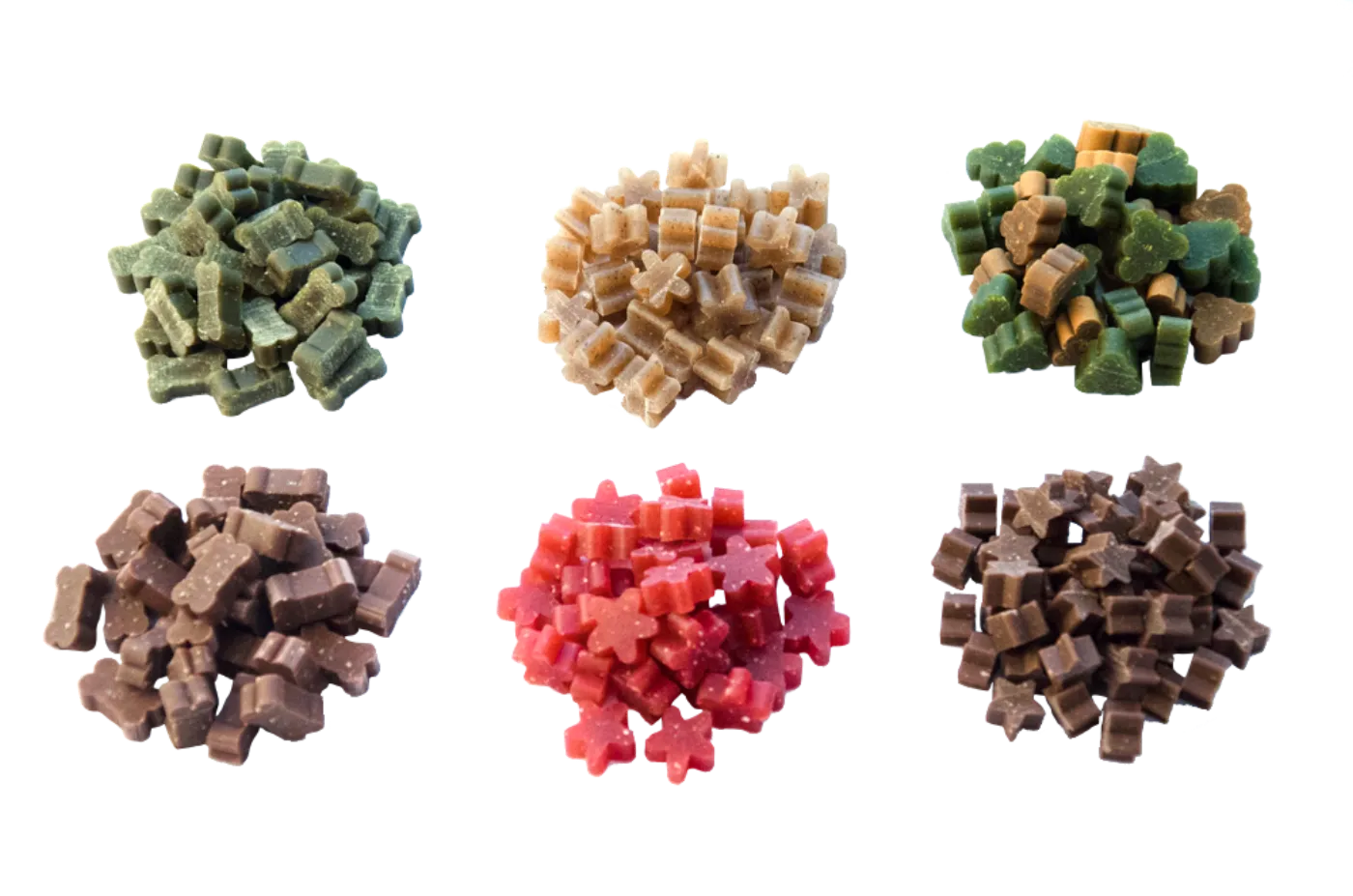
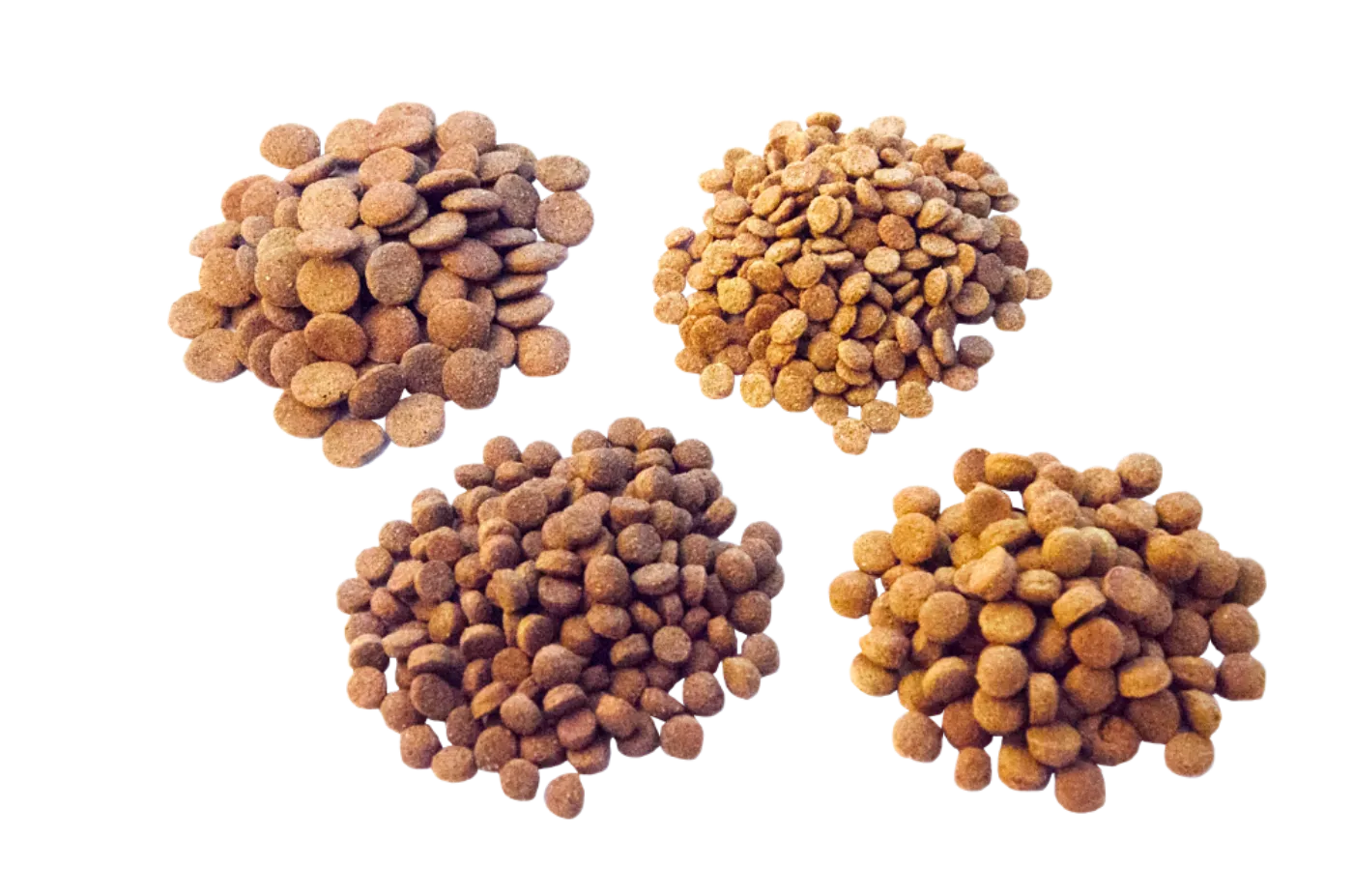
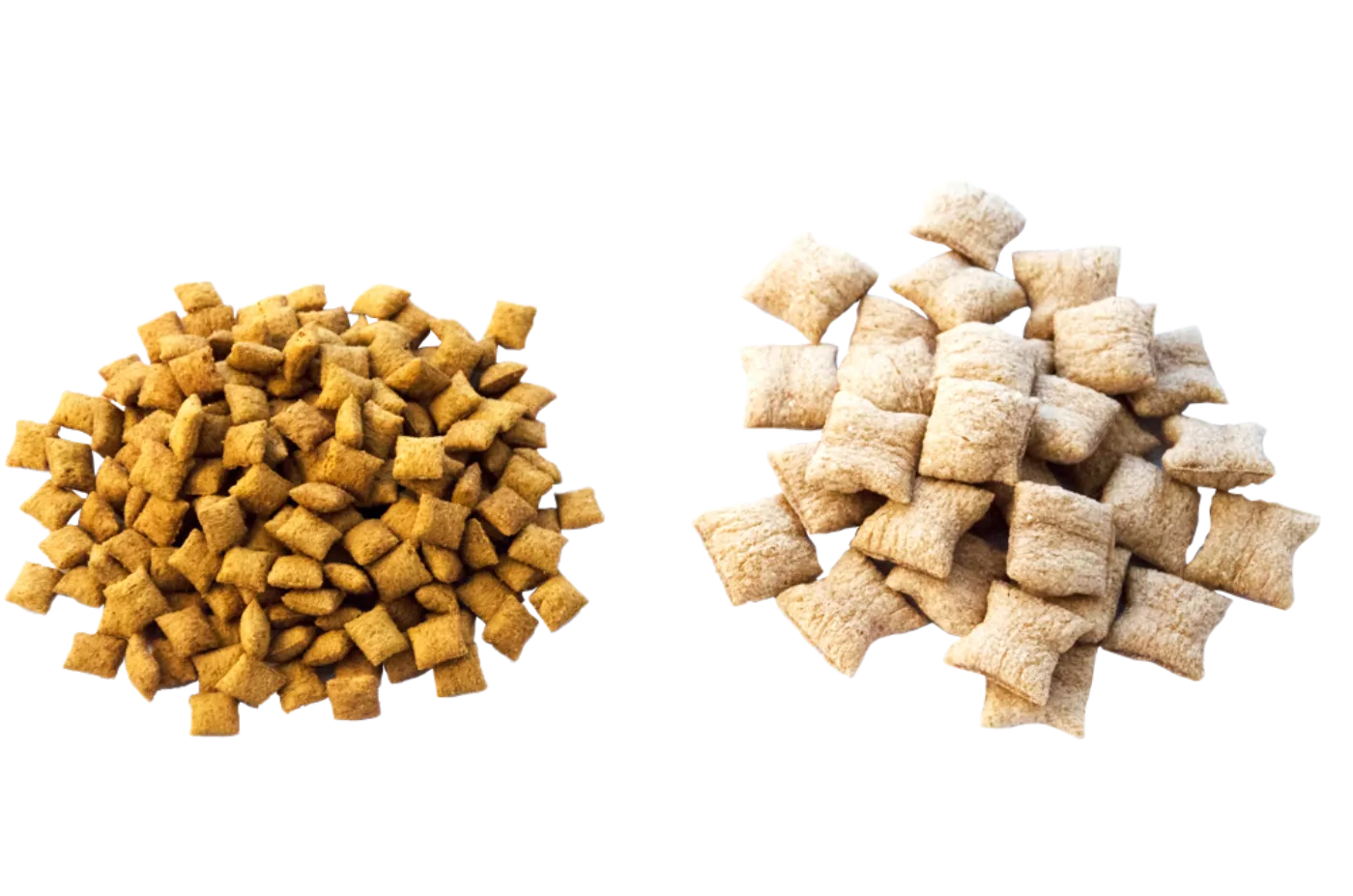
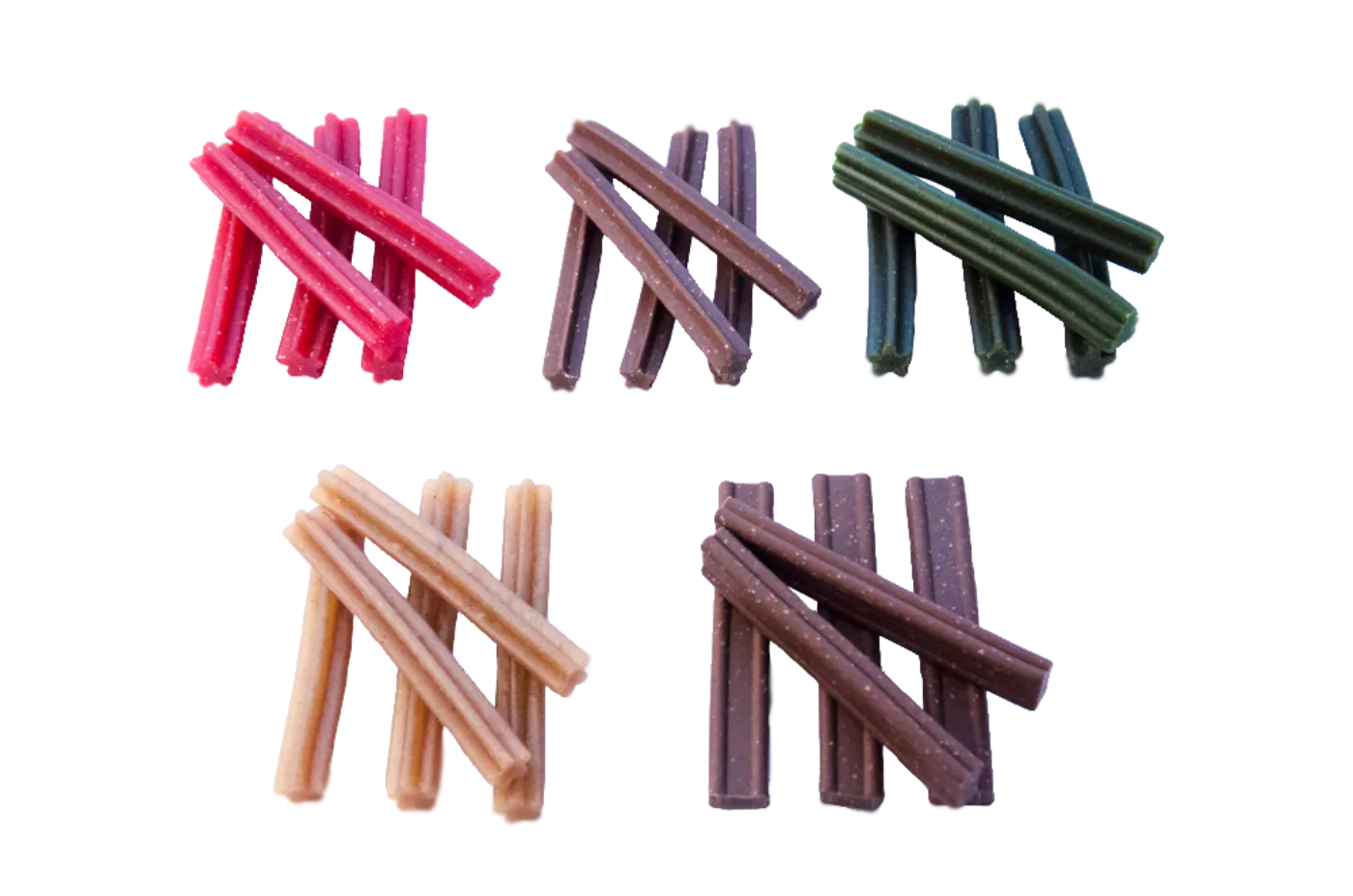
To capture market share in competitive pet retail environments, buyers must align their product development pipelines with overarching consumer behaviors. Based on market data across European and North American retail networks, four primary micro-trends are reshaping the small animal category:
Pet parents view small mammals as full family members. This emotional bond drives demand for premium ingredient declarations featuring functional botanicals—such as **echinacea for immune support, milk thistle for liver metabolism, and chamomile for digestive soothing**. Formulating private label lines with declared herbal inclusions allows retail brands to justify higher margins per unit.
Carbon footprint transparency is becoming a mandatory procurement requirement for Tier-1 retail chains. By producing private label small animal food in Hungary utilizing locally harvested European grasses, alfalfa, and non-GMO grains, PAMAX enables importers to bypass long ocean transit cycles from South America or Asia while delivering verified low-carbon supply chain credentials.
EU packaging directives are tightening constraints on unrecyclable multi-material foils. PAMAX works closely with packaging converters to offer **Mono-PP and Mono-PE recyclable barrier pouches** for small animal food, guaranteeing gas and moisture protection without compromising retail circularity goals.
Grain-free positioning has crossed over from canine feed into the small pet sector. Adult rabbits and guinea pigs do not require cereal grains in their primary diets; starch overconsumption leads to cecal dysbiosis and obesity. PAMAX’s R&D department provides fully validated **100% grain-free Timothy grass pellets** ready for immediate private label branding.
Production Capabilities
We state our manufacturing capabilities upfront so your procurement team can plan product launches efficiently.
Laminated 3-layer pouches, mono-material recyclable films, and sachets from 400g to 2.5kg with resealable zippers and Euro-holes.
Multi-ply kraft paper bags and heavy-duty woven polypropylene bags from 10kg to 20kg for commercial breeders and bulk retail.
Single and twin-screw extrusion technology capable of high fiber density, controlled expansion, and custom pellet die geometries.
4–6 weeks for initial private label launch; 15–20 working days for repeat runs. Export documentation for over 30 countries.
Every batch undergoes rigorous lab testing for moisture content, protein, fiber, ash, and microbiological standards prior to pallet dispatch.
B2B Product Catalogue 2026
Access full nutritional specification sheets, packaging packaging configurations, container load patterns, and FOB/CIF pricing frameworks.
Why Partner With Us
We own and operate our state-of-the-art extrusion and packaging facility in Csévharaszt, Hungary. You deal directly with the factory decision-makers, ensuring absolute quality control and competitive pricing.
Since 1993, Pamax Kft. has specialized in thermo-mechanical processing of pet foods. Our experience ensures stable pellet structural integrity, minimal dust/fines, and optimal expansion rates.
Our plant operates under strict HACCP protocols, certified ISO 22000 food safety standards, and full European Union veterinary authority registration, delivering complete peace of mind.
Launch your private label small animal food brand with as little as 5 tonnes per recipe. Test market response without locking up working capital in massive inventory reserves.
Our veterinary nutritionists maintain a formulation bank of over 80 validated recipes and provide tailor-made formulation services tailored to regional regulatory requirements.
Shipping to more than 30 global markets across Europe, the Middle East, Asia, and Africa. Our export desk manages health certificates, CVED documentation, and customs clearance support.

Ready to Launch Your Private Label Range?
Submit your target species, analytical requirements, and packaging preferences. Our engineering and export desk will prepare a complete costed proposal tailored to your market positioning.
Factory Direct Contact
Speak with our export desk to discuss private label small animal food, custom recipes, or plant audits.
EU Pet Food Manufacturer · Established 1993 · Hungary
To help us prepare an accurate landed cost quotation, please detail:
Procurement FAQ
Our standard MOQ for private label small animal food is 5 tonnes per recipe. We allow clients to split a single 5-tonne production run across multiple retail pack sizes (e.g., 500g, 1kg, and 2.5kg pouches) to minimize stock exposure while maximizing retail range presence.
Mono-component extruded pellets solve the issue of selective feeding, where small pets pick out sweet or high-fat components and discard essential nutrients. Extrusion ensures homogenous delivery of crude fiber, vitamins, and minerals in every bite while promoting necessary dental wear.
Guinea pigs require dietary Vitamin C due to a genetic enzyme deficiency. Standard ascorbic acid degrades under high temperature extrusion. PAMAX utilizes micro-encapsulated L-ascorbyl-2-polyphosphate, maintaining active potency throughout extrusion and guaranteed over an 18-to-24-month shelf life.
Yes. Pamax Kft. manufactures strictly according to EU Regulation (EC) 767/2009 (feed placement and labelling) and Regulation (EC) 183/2005 (feed hygiene). Our plant operates under ISO 22000 certification and is officially registered with the Hungarian veterinary authority (NÉBIH).
We supply high-barrier 3-layer laminated pouches, recyclable mono-material bags, sachets with zip closures, and Euro-hole hanging options from 400g to 2.5kg. For commercial or breeder markets, we offer 10kg to 20kg multi-ply paper or woven bags with flexographic artwork printing up to 6 colors.
Yes. Our in-house animal nutritionists develop custom formulas including 100% grain-free Timothy grass pellets, dandelion-enriched maintenance diets, and specialized functional treats. Custom recipe development includes lab testing, extrusion trials, and analytical verification.
Initial private label projects take approximately 4 to 6 weeks from initial formulation lock and artwork approval to finished pallet dispatch. Repeat orders are produced and shipped within 15 to 20 working days.
Yes. We export to over 30 countries worldwide. Our export logistics team prepares veterinary health certificates, Certificate of Origin, phytosanitary documents, and TRACES compliance filings for seamless customs entry into non-EU and EU markets alike.