EN
ISO 22000 · Made in the EU Choosing a rodent food supplier is not just a matter of comparing prices. Buyers need consistent recipes, clear ingredient information, and packaging that protects freshness during storage and transport. A dependable Rodent food private label supplier should explain its sourcing, production controls, and quality checks in practical terms. Ask how batches are monitored and whether product specifications remain consistent over time. Small details matter: a sealed bag, a readable feeding guide, and pellets with a uniform size can affect daily use.
This 2026 guide introduces suppliers that serve buyers seeking private-label food for hamsters, guinea pigs, rabbits, and other small animals. Their capabilities may differ. Some offer custom formulations or multiple package sizes; others focus on established recipes and dependable production volumes. Buyers should compare ingredient profiles against the animals’ nutritional needs and request current product documents before making claims on packaging. Marketing language is not a substitute for evidence. It is worth checking how a supplier handles sample approval, lead times, and changes to a formula. Ask specific questions.
There is no single best fit. A low minimum order may help a new brand test demand, while established businesses may prioritize steady capacity and repeatable quality. Supplier information can also be incomplete, so confirm important details directly and keep records of agreed specifications. A careful review takes time. That effort can help buyers build a more credible product line and avoid costly surprises after launch.
2026 Top Rodent Food Private Label Suppliers for Buyers
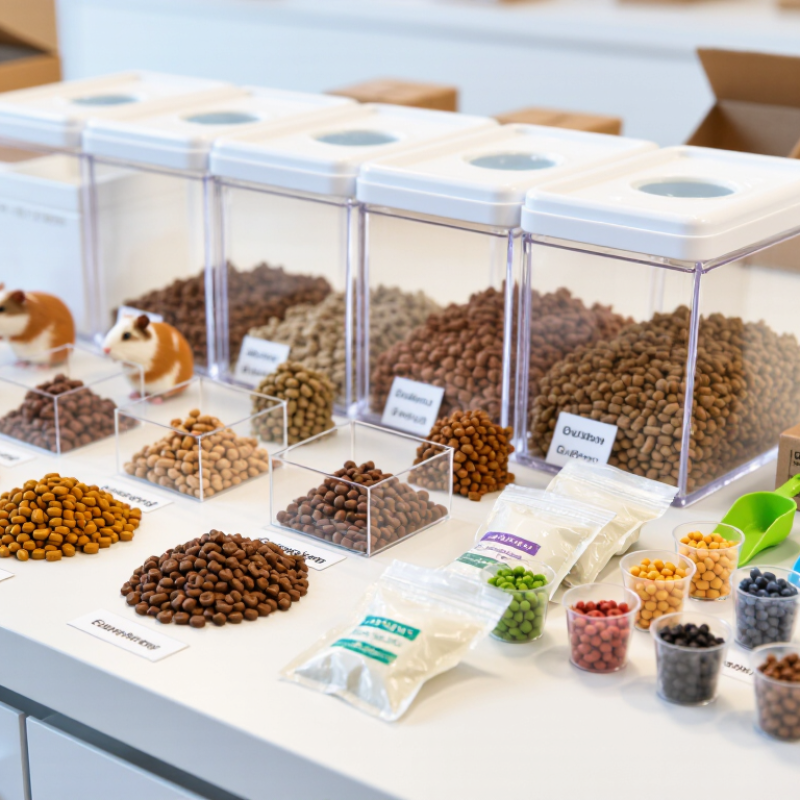
Rodent food categories include complete pellets, seed mixes, hay-based diets, supplements, and occasional treats. Buyers should define the target species before requesting quotations. Mice and rats often need balanced protein, fat, fiber, vitamins, and minerals. Hamsters may prefer varied grains and seeds, but excessive fat can create health concerns. Guinea pigs require dependable vitamin C because they cannot produce it naturally. Chinchillas and degus need highly fibrous, low-sugar diets. Small details matter.
Experienced buyers should check ingredient sources, batch consistency, moisture control, and storage stability. A supplier should provide clear specifications, testing records, and traceability documents. Packaging also needs practical review. A poorly sealed pouch can soften pellets or reduce freshness. Treats should remain supplementary, not replace a complete diet. No formula is perfect. Palatability trials may reveal waste, selective feeding, or unexpected preferences that laboratory analysis misses.
Tips: Ask for species-specific feeding guidance and sample batches. Compare crude fiber, protein, fat, vitamin levels, and particle size. Review expiration testing under realistic warehouse conditions. Inspect whether the label clearly identifies feeding amounts and allergens. Buyers should also test several pack sizes, because a convenient package can still create costly leftovers. Reflect before scaling: early sales may show interest, but repeat purchases reveal whether the product truly fits animal needs.
| Species | Common Product Category | Species-Specific Dietary Needs | Buyer Formulation Brief | Ingredients and Claims to Review | Private-Label Specification to Define |
|---|---|---|---|---|---|
| Guinea pig | Complete pellets; grass hay; supplementary forage | Needs dietary vitamin C and continuous access to suitable grass hay. Hay supports normal chewing and a high-fiber diet. | Specify vitamin C source, guaranteed level at manufacture and through shelf life, fiber profile, and whether the product is intended as a complete feed or supplement. | Avoid implying pellets replace hay. Review added sugars, colorful mixed inclusions, and any vitamin C shelf-life claim against stability data. | Define life stage, pellet or hay format, pack size, storage guidance, nutrient guarantees, and feeding directions. |
| Chinchilla | Grass hay; species-specific pellets; limited forage treats | Requires a fiber-forward diet based primarily on hay, with measured portions of appropriate pellets. Rich or sugary treats should be limited. | Set a clear distinction between staple feed and treat; define fiber targets and a restrained treat profile with veterinary or nutrition review. | Review fruit, honey, and other sweet inclusions carefully. Avoid presenting treat products as nutritionally complete unless substantiated. | Specify hay type, pellet format, moisture and freshness criteria, feeding guidance, and storage instructions. |
| Degu | Grass hay; degu-formulated pellets; low-sugar forage | Needs a high-fiber diet. Degus are prone to metabolic problems, so foods high in sugar are generally unsuitable as routine diet components. | Develop a species-specific, low-sugar staple and make feeding directions distinguish daily food from occasional treats. | Review sweet fruit, syrups, and sugary binders. Do not use disease-prevention or treatment claims without appropriate substantiation and regulatory review. | Define species suitability, ingredient and nutrient specifications, serving guidance, and any analytical or contaminant testing requirements. |
| Hamster | Complete seed-and-grain mix; pellets or blocks; species-appropriate treats | Hamsters are omnivorous. A varied mix can encourage foraging, but selective eating may result in an unbalanced intake; a complete, uniform format can help control selection. | Choose between a complete uniform feed and a complementary mix, and identify the intended hamster type and life stage on the brief. | Review seed and nut proportions, added sugars, and the risk that animals may leave less-preferred components uneaten. State whether the product is complete or complementary. | Specify format, ingredient visibility, particle size, pack barrier needs, feeding instructions, and intended species or size range. |
| Rat | Complete pellets or blocks; measured enrichment treats | Rats are omnivorous. A nutritionally complete staple helps limit selective feeding; requirements can vary with age, reproductive status, and health. | Define the target life stage and whether the formula is a maintenance diet, growth/reproduction diet, or supplementary treat. | Review fat, energy density, and treat portions for the intended use. Avoid broad therapeutic claims unless supported and legally permitted. | Set nutrient guarantees, pellet or block dimensions, feeding directions, batch traceability, and shelf-life testing requirements. |
| Mouse | Complete small-particle pellets or blocks; small-format treats | Mice are omnivorous and need a balanced staple appropriate to their life stage. Small food dimensions and portion guidance can improve usability. | Define intended use, life stage, particle size, and whether the product is for pet mice or a separately regulated use category. | Avoid assuming one formulation fits all uses. Check that packaging and labeling clearly identify the intended animal and feeding purpose. | Specify particle dimensions, dust control, pack size, guaranteed analysis, storage conditions, and applicable market requirements. |
| Gerbil | Complete seed-and-grain mix or uniform feed; limited treats | Gerbils are omnivorous. A balanced staple should be distinguished from supplementary seeds and treats; portion control matters for energy-dense ingredients. | Choose a mix or uniform format based on feeding strategy, and state whether the product is complete or complementary. | Review high-fat seeds and sugary inclusions as part of the overall diet. Avoid unsupported claims that a food alone prevents health conditions. | Define ingredient ratios, format, freshness controls, feeding directions, and pack size for the intended market. |
Buyer note: Confirm the product’s legal classification, permitted claims, required label information, and applicable feed-safety standards in each destination market. Final nutrient specifications should be reviewed by a qualified animal nutrition professional.
Different species need different nutrition. Guinea pigs require dependable vitamin C, while chinchillas need high fiber and low sugar.
Common categories include complete pellets, seed mixes, hay-based diets, supplements, and occasional treats. Treats should remain supplementary.
Compare crude fiber, protein, fat, vitamins, minerals, and particle size. Similar-looking pellets may differ significantly.
Request ingredient specifications, recent batch analysis, testing records, and traceability documents. Target values alone are not enough.
Weak seals may allow moisture inside. Pellets can soften, lose freshness, or become less appealing during storage.
Observe waste, selective feeding, and unexpected preferences. Laboratory results cannot show every feeding problem.
No. This range is a screening benchmark often used for rabbit diets, not a universal prescription.
Ask for separate dates for label approval, packaging, samples, production, and reorders. Add a practical buffer.
A convenient pouch may still create costly leftovers. Test actual storage, handling, and sell-through before scaling.
Not completely. Repeat purchases offer stronger evidence, though even they may not reveal every nutritional concern.
Choosing the right Rodent food private label supplier starts with defining the species and product category the buyer intends to serve. Rabbits, guinea pigs, hamsters, and other small animals have different dietary needs, so a single formula may not suit every market. Rabbit diets often target 18–25% crude fiber, while guinea pig formulas need to account for their daily vitamin C requirements. Clear nutritional targets help buyers assess whether a proposed product is appropriate for its intended animal and use.
Supplier evaluation should cover ingredient transparency, formulation support, quality testing, relevant certifications, minimum order quantities, and production lead times. Buyers should also compare packaging choices, shelf-life information, and the supplier’s ability to maintain consistent specifications across batches. A structured comparison of these factors can help purchasers select a partner whose capabilities, timelines, and product range fit their private-label plans.