China Top 10 ISO 22000 Pet Food Manufacturers examines suppliers that connect certified systems with practical production discipline. The phrase “ISO 22000 pet food manufacturer” should mean more than a certificate displayed online. It should reflect controlled hazards, documented procedures, trained workers, and traceability that survives a real investigation.
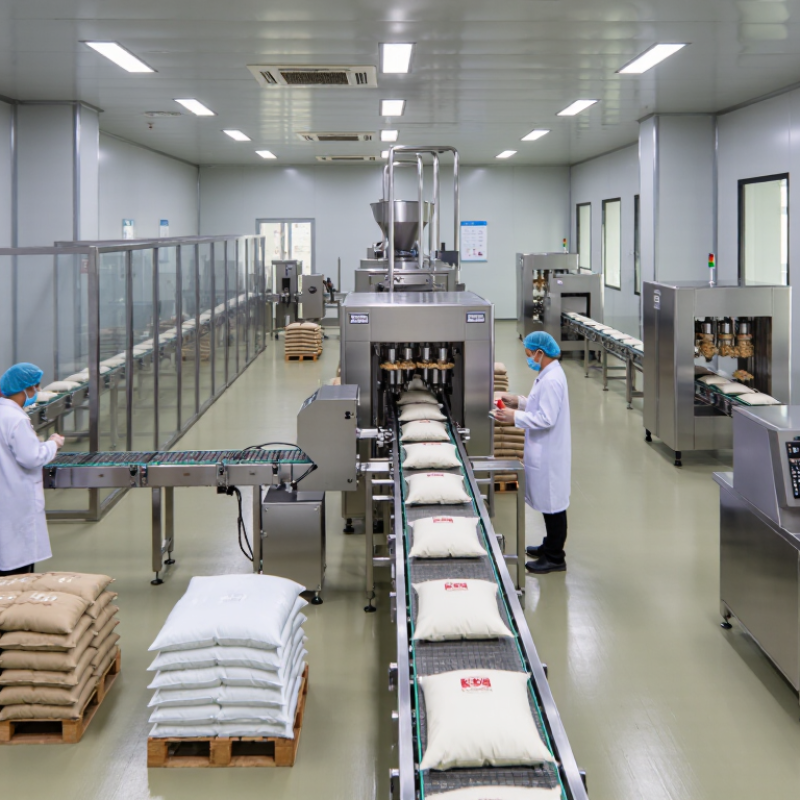
Dr. John G. Surak, an internationally recognized food-safety management systems expert, has emphasized, “A system on paper is not enough; implementation is what protects food safety.” That principle guides this overview. We consider certification scope, audit status, ingredient controls, laboratory testing, recall readiness, and export experience. We also look for visible details: sealed raw-material bags, calibrated thermometers, clean filling lines, and batch records that can be retrieved quickly.
Paperwork matters. Production matters more.
The selected Chinese manufacturers are reviewed through publicly available information, company disclosures, certifications, product capabilities, and industry reputation. This is not a government ranking or a guarantee of future performance. Certificates can expire. Facilities can change. Public information can also be incomplete, which deserves honest attention rather than polished assumptions.
A strong supplier should explain how it controls Salmonella risks, manages allergens, verifies suppliers, and responds to deviations. It should also communicate clearly when a customer requests private-label formulas, wet food, dry kibble, treats, or nutritional supplements. Some smaller factories may outperform larger names in responsiveness and batch attention. That possibility is easy to overlook.
This guide offers a practical starting point for importers, distributors, and pet brands seeking reliable Chinese partners. Independent audits and direct factory verification remain essential before any commercial decision.
China Top 10 ISO 22000 Pet Food Manufacturers
ISO 22000 certification shows that a pet food manufacturer operates a structured food safety management system. It is not merely a certificate on a factory wall. The system connects hazard analysis, hygiene controls, supplier management, traceability, and corrective action. In practical audits, these controls appear in receiving logs, cleaning schedules, temperature records, and batch release checks.
For pet food manufacturers, the standard helps control hazards from raw materials to sealed products. Teams should identify biological, chemical, and physical risks before production begins. They must also verify critical controls and review evidence regularly. Records matter. A traceability test should quickly link one finished batch to its ingredients, operators, equipment, and dispatch details. This process supports consistent quality and faster investigation when an irregularity appears.
Certification also signals management discipline to buyers, regulators, and supply-chain partners. However, ISO 22000 does not guarantee that every product or batch is perfect. Its value depends on honest implementation, competent staff, and independent audits. A factory may pass an audit yet still need better training or clearer shift handovers. That gap matters. Manufacturers should examine audit findings instead of treating certification as the final achievement. For buyers comparing China’s leading ISO 22000 pet food manufacturers, the certification scope, audit status, product categories, and traceability performance deserve close attention.
China Top 10 ISO 22000 Pet Food Manufacturers
China’s ISO 22000 pet food sector is organized as a connected production network. Ingredient suppliers provide meat meals, grains, oils, vitamins, and functional additives. Formulation teams then convert these materials into dry food, wet food, treats, or specialized diets. Many factories serve domestic distributors, overseas importers, or contract manufacturing programs.
Inside a compliant plant, responsibilities are divided clearly. Purchasing checks supplier approval and incoming certificates. Quality teams inspect moisture, protein, microbiological results, and allergen risks. Production staff control cooking temperatures, mixing times, metal detection, and packaging conditions. Traceability records link a finished batch to raw material lots and shipping documents. Small details matter.
An ISO 22000 system also depends on hazard analysis, prerequisite programs, corrective actions, and management review. External auditors may examine sanitation records, calibration labels, employee training, and mock recalls. Certification supports process control, but it does not guarantee every batch is perfect. Scope and audit quality can differ between facilities.
In practice, factory organization is not always clean. A supplier may outsource laboratory testing or packaging, creating extra verification work. Documentation can look complete while floor-level habits remain inconsistent. Experienced buyers should inspect production areas, interview operators, and compare records with actual batch activity. That comparison often reveals more than a certificate alone.
| Sector Position | Manufacturer Type | Primary Product Scope | Typical Production Model | ISO 22000 Food-Chain Interface | Key Food-Safety Controls | Common Compliance Evidence |
|---|---|---|---|---|---|---|
| 1 | Integrated dry-pet-food manufacturer | Extruded complete dog and cat food, treats, and nutritional formulas | In-house formulation, raw-material intake, extrusion, drying, coating, packing, and finished-goods release | ISO 22000 FSMSPRPsHACCP | Supplier approval, mycotoxin control, pathogen reduction, extrusion parameters, moisture and water-activity control, metal detection, and traceability | Hazard analysis, CCP monitoring records, supplier audits, laboratory reports, calibration records, mock-recall results, and internal-audit reports |
| 2 | Wet-pet-food and retort specialist | Canned food, retort pouches, trays, and high-moisture complete diets | Recipe batching, filling, sealing, thermal processing, cooling, inspection, and ambient storage | Thermal processingCCP validation | Seal integrity, scheduled thermal process, retort temperature and time, cooling-water hygiene, container inspection, and commercial-sterility verification | Retort charts, process-validation files, seam or seal inspection records, incubation results, batch-release records, and deviation investigations |
| 3 | Freeze-dried and dehydrated food producer | Freeze-dried raw diets, dehydrated meals, meat pieces, and functional toppers | Raw-material preparation, freezing or dehydration, drying, foreign-body control, packing, and controlled storage | Drying validationPathogen control | Raw-meat segregation, Salmonella and Listeria control, validated drying parameters, moisture and water activity, environmental monitoring, and hygienic zoning | Environmental swab results, water-activity records, sanitation verification, batch testing, allergen controls, and product-release authorization |
| 4 | Treats and chew manufacturer | Biscuits, jerky, dental chews, meat snacks, and training treats | Ingredient preparation, forming or slicing, baking or drying, cooling, inspection, and retail packing | Ingredient controlAllergen management | Raw-material authenticity, drying uniformity, pathogen reduction, foreign-material prevention, allergen segregation, and packaging integrity | Approved-supplier lists, product specifications, allergen matrix, moisture results, metal-detector checks, sanitation records, and complaint analysis |
| 5 | Private-label and contract manufacturer | Customer-owned formulas and packaging formats across dry, wet, and snack categories | Manufacturing under customer specifications with shared production, quality, and logistics systems | Multi-customer controlChange management | Specification approval, artwork and label verification, line clearance, formula control, batch coding, customer complaint handling, and product traceability | Customer-approved specifications, signed batch records, packaging reconciliation, change-control forms, certificate-of-analysis files, and recall exercises |
| 6 | Export-oriented pet-food factory | Products manufactured for overseas distributors and retailers | Domestic production supported by export documentation, destination-market checks, and international logistics controls | Export complianceTraceability | Country-specific ingredient and label review, official registration where required, container loading hygiene, lot identification, laboratory testing, and export-document control | Export inspection records, health or sanitary certificates where applicable, shipping documents, destination-market specifications, test reports, and recall communication plans |
| 7 | Specialized veterinary and functional-diet producer | Therapeutic-support diets, weight-management formulas, digestive-support products, and supplements | Controlled formulation, precision weighing, blending, specialized processing, and enhanced product verification | Formula accuracyClaims control | Ingredient identity, dosage accuracy, cross-contamination prevention, nutritional verification, restricted-claim review, and controlled release | Formula master files, weighing reconciliation, nutritional analyses, stability or shelf-life records, label approvals, and deviation reports |
| 8 | Human-food and pet-food dual-use facility | Pet-food products produced in facilities also handling food-grade ingredients or related food operations | Shared utilities or equipment with documented segregation, scheduling, sanitation, and product-changeover procedures | Cross-contamination controlHygienic zoning | Material segregation, cleaning validation, allergen management, personnel-flow control, equipment release, and prevention of unintended material transfer | Cleaning-validation studies, zoning maps, sanitation inspections, line-clearance records, allergen verification, and environmental-monitoring trends |
| 9 | Regional multi-category manufacturer | A combination of dry food, wet food, treats, toppers, and complementary products | Several production lines managed through a centralized quality, procurement, warehousing, and distribution system | Central FSMSOperational consistency | Site-wide supplier management, warehouse zoning, batch identification, pest control, sanitation programs, maintenance, and coordinated recall capability | Corporate procedures, site-level HACCP plans, warehouse temperature and humidity records, pest-control reports, audit schedules, and traceability tests |
| 10 | Raw-material and semi-finished-product supplier serving pet-food plants | Rendered animal proteins, meat ingredients, grains, oils, premixes, functional ingredients, and semi-finished components | Ingredient processing and controlled supply to downstream pet-food manufacturers | Upstream controlSupplier assurance | Identity and purity testing, moisture control, microbiological safety, mycotoxin monitoring, storage conditions, batch segregation, and transport hygiene | Certificates of analysis, origin records, supplier-approval documentation, sampling plans, retention samples, transport records, and nonconformity handling |
Evaluating China’s leading pet food manufacturers requires more than checking an ISO 22000 certificate. The certificate should show a valid scope, current status, and an accredited certification body. Review whether it covers pet food production, packaging, and storage. A factory making treats may not have approval for complete diets. That difference matters.
Strong manufacturers control risks from ingredient approval to finished-product release. Ask for supplier evaluation records, allergen controls, cleaning schedules, and batch traceability. A reliable facility should trace one bag backward to its raw materials and forward to its shipment. Request recent laboratory results for microbiological, chemical, and nutritional checks. Visit the production site if possible. Look for clean zoning, labeled containers, metal detection, and temperature records. Practical evidence is more useful than polished brochures.
Tips: Compare at least three factories. Check certificate details independently. Ask how complaints are investigated and closed. A serious team can explain its corrective actions clearly. It should also provide sample records without hiding basic information. However, no system is perfect. Records may be complete while daily execution still varies between shifts. Review staff training, supervisor presence, and production consistency. Clear communication, honest limitations, and documented improvements often reveal more than a high rating.
China’s Top 10 ISO 22000-Certified Pet Food Manufacturers
China’s leading ISO 22000-certified pet food manufacturers demonstrate structured food safety management. Their systems connect supplier approval, ingredient inspection, production controls, and finished-product testing. ISO 22000 certification also supports hazard analysis and traceability across the supply chain. However, certification must match the actual factory and product scope. A certificate alone proves little without current records.
A reliable comparison should examine audit dates, certification bodies, facility capacity, and quality-control procedures. Strong manufacturers typically test moisture, protein, fat, microbiological safety, and selected contaminants. Their teams should control temperature, cleaning schedules, allergen risks, and packaging integrity. Traceability drills are especially useful. Can the factory identify one ingredient lot quickly? That answer reveals operational discipline.
Details matter. Supplier changes should trigger documented reviews. Production deviations should be investigated, not hidden. Experienced buyers may also inspect storage conditions, laboratory methods, and complaint-handling records. These steps provide stronger evidence than polished marketing language. Still, ISO 22000 is not perfection. Certificates can expire, scopes can be narrow, and daily execution may vary between facilities. This ranking should therefore remain evidence-based and regularly updated. Independent verification is wise before long-term cooperation.
ISO 22000:2018 framework coverage used for manufacturer evaluation
This standards-based chart presents the seven main ISO 22000:2018 requirement groups. The values indicate the corresponding clause numbers, not company rankings or performance scores. The framework covers organizational context, leadership, planning, support, operation, performance evaluation, and improvement.
Choosing a reliable ISO 22000 pet food manufacturing partner in China requires more than checking a certificate. ISO 22000 shows that a food safety management system exists, but daily execution matters more. Ask for the certificate scope, audit date, production site, and covered product categories. Confirm whether the certificate applies to pet food, not only human food. A certificate alone is not enough.
Facility Verification Visit the facility when possible. Observe raw material unloading, allergen separation, pest control, and cleaning records. Look for labelled storage areas and clear employee hygiene controls. Ask how suppliers are approved and how ingredients are tested for microbiological, chemical, and nutritional risks. Request traceability records from finished goods back to each ingredient lot. Run a mock recall. It reveals practical weaknesses quickly.
Reliable manufacturers can explain their HACCP-based controls without vague promises. They should provide batch records, laboratory reports, complaint procedures, and environmental monitoring results. Check whether staff can discuss corrective actions clearly. A polished factory tour can still hide weak documentation. No facility is flawless, including experienced ones. I would pay close attention to how managers discuss mistakes. Honest answers often show stronger control than perfect-looking paperwork. Agree on specifications, sampling plans, change notifications, and shipment release rules before production begins. Regular audits should continue after the first successful order.
It connects ingredient suppliers, formulation teams, factories, laboratories, distributors, and importers. Materials may include meat meals, grains, oils, vitamins, and functional additives. Products can include dry food, wet food, treats, or specialized diets.
It should cover the specific production site, product categories, and pet food activities. Check the certificate scope, audit date, and facility address. A certificate alone is not enough.
Purchasing should approve suppliers and review incoming certificates. Quality teams may test moisture, protein, microbiological risks, chemicals, and allergens. Clear labels and separate storage areas are useful signs.
Observe unloading areas, cleaning routines, pest controls, employee hygiene, and allergen separation. Check calibration labels and production records. Look closely at the floor, not only the reception room.
Ask the factory to trace one finished batch back to every ingredient lot. Review cooking temperatures, mixing times, metal detection, packaging records, and shipping documents. Run a mock recall. It exposes weak links.
No. It supports a food safety management system, but execution can vary between batches and facilities. Audit quality and certification scope also differ. Paperwork is not proof.
Outsourcing may create extra verification work and delayed information. Buyers should confirm laboratory qualifications, sampling procedures, packaging controls, and release responsibilities. Records may look complete while daily practices remain inconsistent.
Agree on product specifications, sampling plans, change notifications, corrective actions, and shipment release rules. Request batch records, laboratory reports, and complaint procedures. Small details matter.
Ask managers to explain a real corrective action and its follow-up evidence. Honest answers can reveal stronger control than perfect-looking paperwork. No facility is flawless. Reflection matters.
This article presents a practical overview of China’s ISO 22000 pet food manufacturing sector and explains why certification matters for product safety, process control, traceability, and continuous improvement. It explores how manufacturers are organized across ingredient sourcing, formulation, production, testing, packaging, and export services. The article also introduces key evaluation criteria, including certification validity, quality management systems, facility hygiene, laboratory capabilities, supply chain control, production capacity, customization options, and communication efficiency.
A carefully developed list of China’s top 10 ISO 22000-certified pet food manufacturers is provided to help buyers compare potential partners without relying solely on price or production scale. The final section offers practical guidance for selecting a reliable ISO 22000 pet food manufacturer, emphasizing transparent documentation, consistent quality, responsive service, clear production standards, and the ability to meet specific product and market requirements.