Finding a reliable Heart shaped dog kibbles supplier in China takes more than comparing product photos and quoted prices. The heart shape may look appealing, but consistent size, texture, and nutritional quality matter more. A useful starting point is to request a current ingredient list, product specification sheet, and clear details about manufacturing capacity. Ask how the supplier controls batch consistency and handles ingredient storage. Specific answers are reassuring.
Request samples before discussing a large order. Examine the kibble’s shape, smell, firmness, and packaging condition, then compare several pieces from the same sample. If possible, arrange independent testing or have a qualified pet nutrition professional review the formulation. Check the supplier’s business details, facility information, quality-control records, and relevant export documentation. Requirements can vary by destination, so confirm them with the appropriate authorities or a qualified adviser. Do not treat a polished website as proof.
Communication is part of the assessment. Notice whether the sales team answers questions clearly, provides traceable documents, and explains lead times, minimum order quantities, and packaging options without pressure. A small trial order can reveal issues that a sample cannot, such as delayed updates or inconsistent labeling. No supplier is perfect, and a low price can hide practical trade-offs. That deserves a second look. This guide outlines ways to compare Chinese manufacturers, evaluate evidence, and ask focused questions before choosing a partner for heart-shaped dog kibble.
Define the Specifications for Heart-Shaped Dog Kibbles
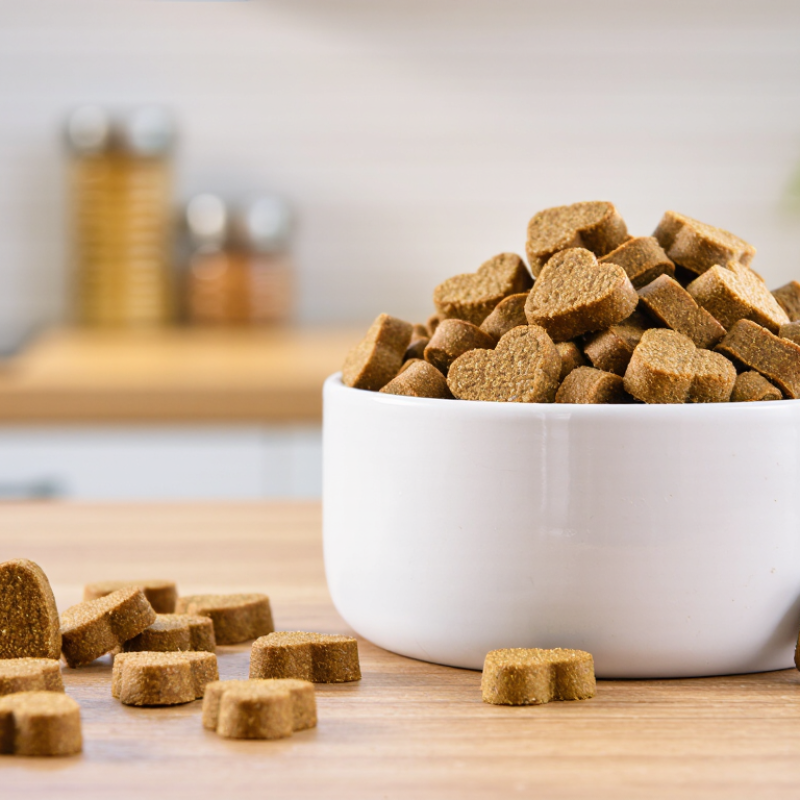
Before contacting a supplier, define what “heart-shaped” means in measurable terms. Specify each kibble’s length, width, thickness, and acceptable variation. A sample might measure 12 millimeters across, but the right size depends on the dog’s age and chewing ability. Small details matter. Request a production sample and check whether the shape stays recognizable after handling. Sharp points or brittle edges may create problems, so inspect pieces from several bags, not just one.
Set requirements for ingredients, nutritional analysis, moisture, texture, and cooking method. State whether the kibble should be crunchy or easier to break, and ask how consistency is checked between batches. Request recent test reports for relevant nutritional and microbiological parameters, along with a clear ingredient specification. Packaging also deserves detail: define bag size, barrier properties, seal strength, and batch coding. Keep records. A specification can still miss something; I have seen dimensions look consistent while pieces varied noticeably in hardness. Ask the supplier how it measures shape and texture, what tolerances it accepts, and how it handles out-of-spec batches. Agree on written acceptance criteria before placing a large order.
Explore China’s Pet Food Manufacturing Regions and Supplier Channels
China’s pet-food suppliers are spread across several manufacturing regions. Shandong is worth exploring for dry-food production, while Guangdong and Jiangsu offer additional factory and export-sourcing options. Location alone does not prove capability. Heart-shaped kibble may require suitable forming dies, steady extrusion, and controlled drying. Ask whether the factory makes the shape in-house or outsources it. Request production samples from a regular batch, not only a polished presentation sample. Small differences in shape and texture can matter.
Supplier channels include business directories, industry exhibitions, referrals, and direct factory inquiries. Use online listings to create a shortlist, not as proof of quality. Ask for a live video walkthrough or visit the facility when practical. Review equipment, ingredient storage, batch records, and testing procedures. Discuss minimum order quantities, packaging, lead times, and sample approval in writing. Some details may remain unclear until a trial order; that is a reason to ask more, not to guess.
Tips: Compare at least three suppliers using the same questions. Check whether samples match stated specifications, and ask how changes are documented. A neat website is not a factory audit. If answers about production steps feel vague, pause and verify them before paying a deposit.
Assess Supplier Experience, Production Capacity, and Product Quality
A top heart shaped dog kibble supplier should show consistent experience with shaped dry food, not merely attractive product photos.
Ask how long the factory has produced shaped kibble and whether it can share sample specifications. Ask for evidence. Compare the sample’s size, color, odor, and shape consistency with the written product details. A few broken pieces may be normal after shipping, but excessive crumbs deserve investigation.
Production capacity needs to match your order schedule.
Request the factory’s monthly output, current lead times, and minimum order quantity in writing. Then ask how it handles a busy production period. A supplier may quote impressive capacity, yet that figure is less useful if equipment is shared across several product lines. A small trial order can reveal delays, packaging issues, or inconsistent shapes before you commit to larger volumes.
Product quality should be checked through clear specifications and batch records.
Ask for ingredient details, nutritional analysis, shelf-life information, and recent test reports from a qualified laboratory. Confirm that the records match the exact product and batch being offered. Inspect samples for uniform baking, intact edges, and a dry, stable texture. One caveat: a good sample cannot prove every future batch will match. Ask how the factory records production lots and responds when results fall outside agreed specifications.
Verify Certifications, Safety Controls, and Export Compliance
How to Find a Top Heart Shaped Dog Kibbles Supplier in China?
Verify Certifications, Safety Controls, and Export Compliance
When assessing a Chinese supplier, request current food-safety certificates and check their scope, issuing body, and expiry date. Confirm that the named facility matches the site producing your heart-shaped kibbles. A polished document folder is not proof by itself. Ask for recent audit findings and evidence that corrective actions were completed. Strong suppliers can explain how ingredients are approved, stored, and traced through production.
Tips: Request a sample batch record, not just a certificate. Check ingredient lot numbers, production dates, and finished-product release results. Ask how staff prevent cross-contact and control moisture, which can affect kibble quality. Then verify export documents for your destination, including product specifications, test reports, and required certificates. Requirements can differ by market, so confirm details with the relevant authorities or a qualified customs professional. Small details matter.
Arrange a video walkthrough or independent facility audit when practical. Look for clear sanitation routines, calibrated weighing equipment, and labeled ingredient containers. Ask what happens when a test result falls outside specification. The answer should include documented isolation, investigation, and follow-up testing. Some suppliers may respond slowly or provide incomplete records; treat that as a reason to ask more questions, not an automatic verdict. A reliable partner welcomes specific checks and keeps records consistent across samples, certificates, and shipment paperwork.
How to Find a Top Heart-Shaped Dog Kibble Supplier in China
Verify food-safety controls, product evidence, and destination-market export requirements. This chart is for shipments to the United States.
How to read this chart: Bars count the verification checks listed for each category; they are not supplier ratings or industry statistics. Ask for current, in-scope records and independently verify certificates. Heart-shaped kibble is a product specification, not a food-safety certification.
Checks shown: food safety—hazard analysis and preventive controls, CGMP, sanitation, traceability and recall; product—ingredient/formula specifications, lot COAs, contaminant and microbiological testing; U.S. import—FDA facility registration where required, FSVP importer verification, prior notice, and customs entry documents. Requirements vary by product and destination. References: 21 CFR Part 507, FDA FSVP rules, and FDA prior notice guidance.
Compare Samples, Pricing, and Service Before Selecting a Supplier
When evaluating a heart-shaped dog kibble supplier in China, request samples from the same product specification you plan to order. Inspect the pieces in daylight: are the edges clean, and do the shapes stay intact after gentle handling? Note the aroma, surface texture, and package seal. Small details matter. Ask for ingredient and product information, then check that the sample matches the written specification.
Compare written quotes, not just the price per kilogram. Confirm minimum order quantity, packaging options, sample costs, shipping terms, and any setup fees for a custom shape. A low quote may exclude useful services. Ask whether the price changes with order volume, and request a clear breakdown. Then compare carefully. Keep the same order size and packaging assumptions when reviewing each offer.
Service is easier to judge through specific questions. Ask how quickly the supplier answers, who handles specification changes, and how production delays are communicated. Request a realistic lead time and quality documents for the product. One sample cannot prove every batch will match; that check has limits. If possible, review a production sample before approving a larger order. A supplier’s careful explanation of a problem can be more useful than a perfect-looking sales promise.
Conclusion
Finding a reliable Heart shaped dog kibbles supplier in China starts with defining your product requirements. Specify the desired ingredients, nutritional profile, kibble size and shape, packaging, target market, and expected order volume. Then explore established pet food manufacturing regions and suitable supplier channels, using your requirements to narrow the search. Evaluate each supplier’s experience with shaped kibble, production capacity, equipment, quality-management processes, and ability to maintain consistent products across batches.
Before making a decision, verify relevant certifications, ingredient traceability, food-safety controls, and export documentation for your destination market. Request samples to assess appearance, texture, aroma, and packaging, and compare them against your specifications. Review pricing alongside minimum order quantities, lead times, communication, and after-sales support rather than choosing on cost alone. A careful, step-by-step evaluation can help you select a capable supplier and build a dependable working relationship.