0%

Pet food demand continues to attract new brands, but launching a product can require more than a strong concept. The American Pet Products Association’s 2025 State of the Industry report estimates U.S. pet-industry spending reached $152 billion in 2024. That figure signals substantial consumer activity, though it is not a forecast for every country or product category. Global buyers still need to study local demand, price expectations, and import requirements.

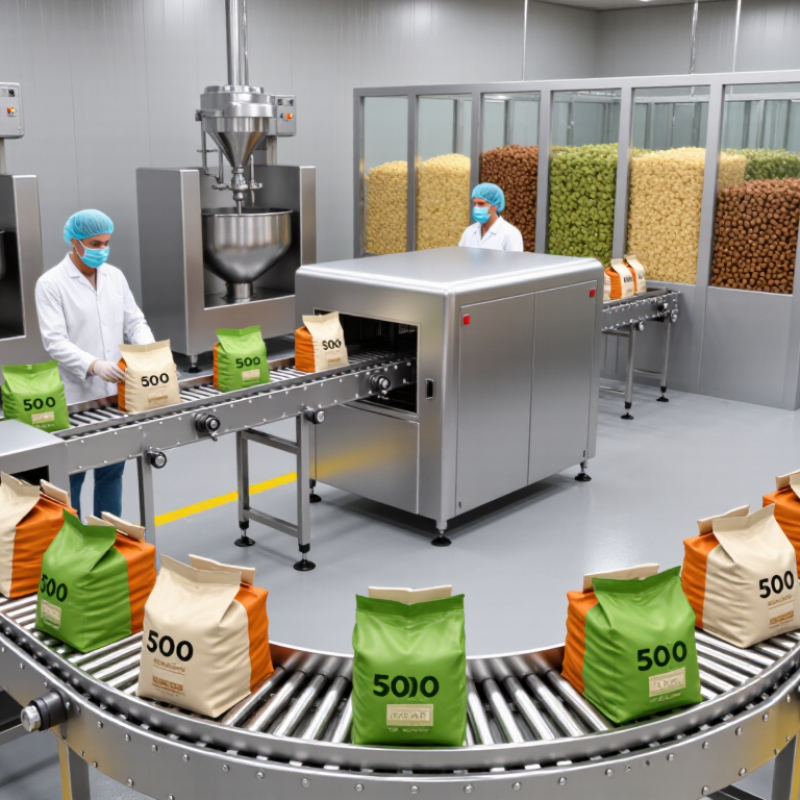
A Low MOQ OEM pet food factory can help emerging brands test a smaller first order before committing to larger production. Small runs matter. They may reduce inventory pressure, but they do not remove the need for careful checks. Buyers should ask how minimum quantities change by recipe, packaging format, and production line. A 500-gram pouch may have different setup requirements from a large bag. Details like these affect landed cost and launch timing.

Reliable sourcing also depends on evidence, not attractive sample photos alone. Request ingredient specifications, batch traceability, shelf-life data, and relevant quality documents. Confirm which standards and registrations apply in the destination market; requirements differ by country. Ask how the factory handles formula changes and production delays. The answers may be imperfect, and that is worth examining. A supplier that explains limits clearly can be easier to assess than one promising everything. This guide explores what global buyers should compare when choosing a low-MOQ OEM partner, from production flexibility to quality controls and communication.
Top Low MOQ OEM Pet Food Factory for Global Buyers

Understanding Low-MOQ OEM Pet Food Manufacturing

Low-MOQ OEM pet food manufacturing gives emerging and regional buyers a way to test products without ordering a warehouse full of bags. A smaller run can help assess flavor acceptance, package handling, and repeat-purchase interest. That matters. But low MOQ does not mean every formula or package option is available in tiny quantities.

Production still involves ingredient sourcing, equipment setup, testing, and packaging materials. Each can affect the minimum order and unit cost. For example, a custom pouch may require a larger print run than the food itself. Buyers should ask whether the quoted MOQ applies to one recipe, one package size, or a combined order. Small details change the math. Request a clear breakdown of sample fees, production lead time, shelf-life information, and the checks performed on incoming ingredients and finished batches.

A practical OEM discussion begins with a concise product brief: target animal, life stage, format, key ingredients, and intended market. Share realistic sales estimates, too. A factory can then explain which specifications fit a pilot run and which need adjustment. It is worth requesting written approval steps for the formula, label, and packaging before production begins. Low MOQ can reduce early inventory risk, though it may raise per-unit costs. That trade-off is easy to underestimate, and not every first batch will teach as much as hoped.

Pet Food Products and Customization Options

Pet food ranges can include dry kibble, wet meals, treats, and specialized textures for different feeding routines. Buyers can discuss protein sources, grain-inclusive or grain-free recipes, kibble size, and moisture levels with the product team. Small details matter: a 5 mm piece may suit one product concept, while a softer texture may better fit another.

Customization can extend to pack size, pouch or bag format, label layout, and carton quantities. Low-MOQ production gives newer sellers a way to test a focused range without committing to a large inventory. Still, smaller runs may limit packaging choices or increase unit costs. Clear specifications help avoid surprises. Samples help, too.

A practical development process records ingredient requirements, target analysis, packaging dimensions, and shelf-life expectations before production. Buyers should request product specifications and confirm how batches are checked for consistency. No recipe works for every market or pet. Adjustments may take more than one round, and an early sample can miss the final texture slightly. That is worth discussing openly before approving a production run.

Factory Capabilities, Safety Standards, and Quality Control

A low-MOQ OEM pet food factory should show more than flexible production. Buyers need clear ingredient specifications, batch records, and documented checks from receiving through packing. FEDIAF’s 2024 report estimates 299 million pets in Europe and €29.3 billion in annual pet food sales. That scale makes consistency essential, even for small launch orders. Ask how the factory separates ingredients, controls moisture and temperature, and traces each lot. Request sample test records, not only a capability brochure.

Food safety needs evidence. The FDA’s Preventive Controls for Animal Food rule requires covered facilities to identify hazards and apply risk-based controls. Buyers should confirm which requirements apply to their product and destination. Ask about supplier approval, sanitation logs, allergen controls, and finished-product testing. A reliable quality plan should state who reviews results and what happens when a batch falls outside specification. No checklist catches everything. That deserves honest discussion.

Tips: Request a sample batch record, recent laboratory results, and a written defect-handling procedure. Check whether minimum order quantities apply per recipe, flavor, or packaging type. Compare the factory’s stated shelf-life tests with your planned storage conditions. Small runs can expose process weaknesses early, but they may also provide less production data. Ask the factory to explain both.

Global Sourcing, Packaging, and Export Considerations

Global sourcing for a low-MOQ pet food order starts with more than the factory price. Compare ingredient specifications, production lead times, and batch records before approving a sample. Ask for the product’s moisture and shelf-life testing details; a neat pouch cannot fix an unstable recipe. The UNCTAD Review of Maritime Transport 2024 reported that maritime trade grew 2.4% in 2023, while warning that shipping disruptions can affect costs and routes. Build extra time into delivery plans. Schedules slip.

Packaging needs to protect the food through handling, humidity, and long-distance transit. Request pouch dimensions, material structure, seal-test results, and carton weight before finalizing freight estimates. For export, confirm destination-specific ingredient, label, language, and document requirements with the importer and relevant authorities. Requirements vary. A common planning blind spot is treating artwork approval as the last packaging check; print proofs and physical samples can reveal small but costly errors.

Tips: Get the factory’s MOQ in writing for each recipe, package size, and print option. Ask whether shared packaging or neutral cartons are possible for a trial order. Confirm who prepares certificates and shipping documents, and review draft copies before dispatch. Keep a small buffer for inspection or rework.

Top Low MOQ OEM Pet Food Factory for Global Buyers - Global Sourcing, Packaging, and Export Considerations

Planning Dimension Practical Reference What Buyers Should Confirm Global Sourcing Consideration
Product format Common formats include dry kibble, wet food, treats, and powdered supplements. Ask which formats the facility can manufacture and whether the proposed recipe has already been trialed on its production line. Manufacturing capabilities and export eligibility can differ by product type and destination market.
Low-MOQ planning There is no universal low-MOQ standard. Minimums depend on recipe complexity, production-line capacity, and packaging requirements. Request separate minimum quantities for a pilot batch, repeat production, and each packaging format. Calculate landed cost at the quoted quantity, including freight, duties, inspection, and any destination-specific testing.
Recipe and formulation Recipes may be customized for life stage, animal size, ingredient preferences, or target nutrient profile. Obtain the ingredient list, guaranteed analysis, feeding directions, shelf-life basis, and applicable nutritional specifications. Ingredient names, permitted additives, and nutrient-label rules vary by jurisdiction; review the destination market before artwork approval.
Ingredient sourcing Ingredient origin, supplier approval, and lot traceability are important parts of food-safety and quality programs. Ask how incoming ingredients are approved, tested, stored, and linked to finished-product batch records. Check whether animal-origin ingredients face import restrictions, additional certification, or country-of-origin requirements.
Packaging options Typical options include flexible pouches, bags, cans, and cartons, depending on the product and filling process. Confirm pack size, closure type, barrier properties, print method, and whether unprinted or stock packaging is available for smaller runs. Packaging specifications should protect product quality during the expected storage and transport conditions.
Packaging print minimums Custom printed packaging may have a separate minimum order quantity from the food itself. Request the packaging MOQ, setup charges, lead time, and rules for unused printed materials. For an initial order, compare custom printing with compliant labels on plain or stock packaging.
Label review Labels commonly identify the product, intended animal, ingredients, analytical constituents or guaranteed analysis, feeding guidance, and responsible business details, as required locally. Have a qualified regulatory reviewer check the final language, units, claims, and mandatory statements before printing. For example, EU feed marketing and labeling are governed in part by Regulation (EC) No 767/2009; U.S. requirements involve federal rules and may also involve state rules.
Quality and food safety Documented hygiene controls, production records, and traceability support consistent manufacturing and product investigations. Review relevant certifications, audit scope, quality procedures, complaint handling, and mock-recall or traceability records. Certification schemes are not interchangeable with government approval; verify what the importing authority requires for the specific product.
Samples and production approval Pre-production samples and an approved specification help align the recipe, appearance, pack, and label before a commercial run. Agree on sample approval, test methods, acceptable tolerances, and the procedure for handling non-conforming goods. Keep approved samples and signed specifications as reference points for repeat orders and quality checks.
Export documents Common shipment documents include a commercial invoice and packing list; other documents depend on the product and route. Confirm who prepares certificates of origin, health or veterinary certificates, and any product-specific permits or declarations. Requirements depend on the destination, ingredients, origin, and import route. Check with the relevant authority or customs broker before shipment.
Shipping and shelf life Transit time, storage conditions, and remaining shelf life at arrival can affect product usability. Confirm production lead time, stated shelf life, storage instructions, carton dimensions, pallet configuration, and shipment conditions. Compare total landed cost and delivery terms, and clarify responsibility for freight, insurance, customs clearance, and destination charges.
Supplier due diligence Factory capability, production capacity, traceability, and export experience should be checked before placing an order. Verify the legal manufacturing entity, site address, product scope, references, and authorization to produce the proposed category. Use written specifications and a clear purchase agreement covering payment terms, inspection, delivery, intellectual property, and dispute handling.

MOQ, lead time, certification scope, and import requirements vary by manufacturer, product, packaging, and destination. Treat the references above as a buyer’s checklist and confirm details in writing before ordering.

How to Evaluate a Low-MOQ OEM Pet Food Factory

Top Low MOQ OEM Pet Food Factory for Global Buyers

How to Evaluate a Low-MOQ OEM Pet Food Factory

A low minimum order can help you test demand without filling a warehouse. But a small first run is not automatically low-risk. Ask whether the MOQ applies per recipe, package size, or total order. These details change the real cost. Request a written quote showing setup fees, packaging charges, and expected lead time. Compare the quote with your own sales plan, not only the unit price.

Check how the factory handles samples, ingredient records, and batch consistency. Compare a finished sample with the written product specification, including texture, aroma, and kibble size where relevant. Ask how production lots are identified and what quality checks are recorded. A clear answer matters. If ingredient substitutions are possible, ask how you will be notified and how approval is documented. A site visit or live production walkthrough can add useful context, though it cannot prove every process is flawless.

Tips: Start with one focused pilot order. Confirm the recipe, packaging dimensions, label details, and delivery schedule in writing. Keep your sample and approval notes for comparison. No checklist catches every mismatch; small oversights can still happen, so leave time to review the first batch before planning a larger run.

FAQS

What types of pet food can a factory produce?

Options may include dry kibble, wet meals, treats, and different textures. Small details matter.

Which recipe details can buyers customize?

Buyers can discuss protein sources, grain inclusion, kibble size, and moisture levels. A 5 mm piece may suit one concept, but not every pet.

Can packaging be customized for a small launch?

Pack sizes, pouch or bag formats, labels, and carton quantities may be adjustable. Smaller runs can limit choices or raise unit costs.

What should buyers confirm before production?

Record ingredient requirements, target analysis, packaging dimensions, and shelf-life expectations. Clear notes help prevent surprises.

Why request samples before approving an order?

Samples let buyers check texture and product fit. The final batch may differ slightly, so discuss any mismatch openly.

What quality records should a factory provide?

Ask for ingredient specifications, batch records, sample test results, and documented checks from receiving through packing. A brochure is not enough.

How can buyers assess food-safety controls?

Ask about supplier approval, sanitation logs, allergen controls, and finished-product testing. Confirm which requirements apply to the product and destination.

What should a written quality plan explain?

It should identify who reviews test results and what happens when a batch misses specifications. No checklist catches everything.

What should buyers check about minimum order quantities?

Confirm whether minimums apply per recipe, flavor, or packaging type. Small runs can reveal process weaknesses, but provide less production data.

Conclusion

A Low MOQ OEM pet food factory helps businesses launch or expand pet food lines without committing to large production volumes. Buyers can explore options such as dry or wet food, treats, and tailored recipes, while discussing ingredient choices, product formats, and packaging designs that suit their market and target customers. Smaller order quantities can make product testing and gradual growth more manageable, though minimums, lead times, and customization limits vary by manufacturer.

When evaluating a factory, buyers should review its production capabilities, food-safety practices, quality-control procedures, and ability to provide clear product and batch documentation. It is also important to confirm packaging specifications, storage and shipping requirements, export experience, and communication processes. Comparing these factors alongside pricing and production timelines can help global buyers choose a reliable manufacturing partner and make informed decisions throughout sourcing and product development.

Julian

Julian

Julian is a professional marketing specialist with a strong understanding of the company’s products, customers, and industry trends. With a practical, research-driven approach, he transforms complex product information into clear, useful content that helps readers make informed business decisions.......