0%

Choosing a reliable OEM dry cat food producer requires more than comparing factory prices. Global buyers must examine ingredient sourcing, production controls, export experience, and product consistency. A supplier may offer attractive packaging, yet fail to maintain the same kibble texture across different batches. That matters.

This guide introduces leading OEM dry cat food producers for international buyers seeking dependable private-label partnerships. It considers manufacturing capacity, nutrition formulation support, quality testing, packaging flexibility, and communication standards. Buyers should request recent certificates, audit records, product specifications, and sample cartons before signing a long-term agreement. Details matter. A warehouse visit can reveal practical issues, including moisture control, pallet storage, and finished-goods labeling.

Experienced manufacturers usually explain their processes clearly. They can discuss protein sources, grain-free options, feeding trials, shelf-life testing, and traceability without making unrealistic claims. However, no supplier is perfect. Even a well-established factory may face seasonal ingredient changes or shipping delays. Buyers should plan for these weaknesses instead of assuming smooth delivery every time.

The producers discussed here are evaluated from a professional and evidence-based perspective. Their reputation should be checked through references, independent testing, and verified trade documentation. Local import requirements also deserve careful review before production begins. A strong partnership depends on transparent communication, measurable specifications, and responsible quality management. Price is only one part of the decision. Reliability often costs more, but poor consistency can cost far more.
Top OEM Dry Cat Food Producers for Global Buyers?

What Defines an OEM Dry Cat Food Producer?

Top OEM Dry Cat Food Producers for Global Buyers?

What Defines an OEM Dry Cat Food Producer?

A capable OEM dry cat food producer turns a buyer’s concept into a controlled, repeatable product. This work begins with nutrition targets, ingredient selection, and careful process planning. Experienced teams review protein sources, fat levels, fiber, moisture, and kibble size. They also consider a cat’s age, activity, and feeding needs.

Manufacturing depth separates a true producer from a simple trading office. A reliable facility should manage mixing, extrusion, drying, coating, and packing under documented procedures. Batch records, ingredient traceability, and routine laboratory testing support consistent quality. Testing may include moisture, microbiological safety, nutrient values, and shelf-life checks. Details matter.

OEM capability also includes practical communication. The producer should provide samples, explain formulation changes, and confirm packaging specifications before production. Export experience helps with labeling, pallet planning, certificates, and destination requirements. However, buyers should verify each claim independently. A polished factory visit cannot replace production records.

No producer gets every formula right on the first trial. Texture may need adjustment, or the aroma may feel too strong. That gap matters. Strong suppliers accept feedback, investigate causes, and revise processes without hiding weaknesses. Buyers should inspect facilities, request recent test reports, and clarify minimum order quantities. Trust grows through evidence, not confident promises.

How OEM Dry Cat Food Manufacturing Is Organized

OEM dry cat food manufacturing is usually organized as a connected production system, not a single factory task. A buyer typically begins with nutritional targets, ingredient preferences, and market requirements. The manufacturer then converts these details into a controlled formula. Protein sources, grains, fibers, vitamins, and minerals must match the approved specification.

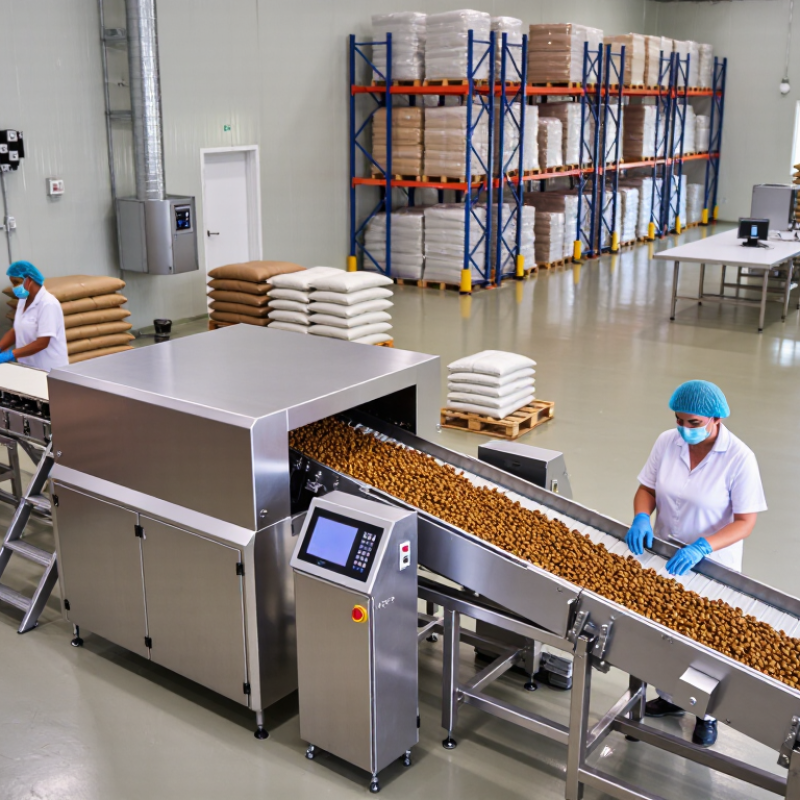
Production teams usually divide work into sourcing, batching, extrusion, drying, coating, packing, and quality control. Each stage needs written records. During extrusion, temperature and moisture affect shape, digestibility, and texture. Drying must reduce moisture without damaging the product’s nutritional balance. Samples are tested for weight, appearance, smell, and basic safety indicators. Traceable batch codes help teams investigate problems quickly. Small details matter.

Tips: Ask for a process map before placing an order. Review ingredient specifications, sample results, packaging dimensions, minimum order quantities, and lead times. Confirm who approves formula changes. Keep a retained sample from every approved batch.

Global buyers should also examine how the manufacturer handles forecasting and shipment preparation. Cartons need protection from crushing and humidity during long transport. Export documents should match the actual product and destination requirements. Experienced suppliers often assign separate contacts for formulation, production, quality, and logistics. That structure reduces confusion, although it does not remove risk. No factory gets every forecast right. A delayed ingredient or weak carton can still disturb a carefully planned shipment. Regular reviews and honest records make the system more reliable.

How OEM Dry Cat Food Manufacturing Is Organized

This planning benchmark shows the typical calendar days allocated to major OEM stages, from formula approval and pilot production to quality testing, packaging, and export preparation. Actual lead times vary according to formula complexity, order volume, testing requirements, and destination-market regulations.

Key Ingredients and Production Standards for Global Buyers

Top OEM Dry Cat Food Producers for Global Buyers

For global buyers, ingredient control matters more than a polished factory brochure. FEDIAF’s 2024 Facts and Figures report records about 108 million cats in Europe. That scale demands stable nutrition and reliable supply. A sound dry formula should provide named animal protein, balanced fat, digestible carbohydrates, taurine, and essential minerals. Taurine deserves special attention because cats cannot produce enough independently. Omega-3 sources may support skin, coat, and healthy ageing. However, ingredient lists alone cannot prove quality.

Production standards should include HACCP-based controls, traceability, allergen management, and validated cooking temperatures. AAFCO’s Cat Food Nutrient Profiles remain a useful technical reference for essential nutrient levels. ISO 22000 certification can strengthen food-safety management, but certification is not a substitute for daily process discipline. Buyers should request laboratory results for moisture, protein, fat, ash, taurine, pathogens, and mycotoxins. FEDIAF also reports that European pet food production exceeds 8.5 million tonnes annually, showing why capacity planning matters. Bigger output can still hide inconsistent batches. That point deserves scrutiny.

Tips: Ask for three consecutive batch records, not one sample. Check whether protein values are tested as-fed or dry-matter basis. Review palatability trials, storage testing, and packaging performance. A supplier may pass an audit and still disappoint during seasonal humidity changes. Independent verification is wiser than trusting attractive claims.

How to Evaluate OEM Suppliers and Product Capabilities

Top OEM Dry Cat Food Producers for Global Buyers

Choosing an OEM dry cat food producer requires more than comparing prices. Product capability should match your market, target nutrition, and expected order volume. Ask for factory details, production capacity, ingredient controls, and export experience. A reliable supplier should explain each process clearly. Request recent audit records and relevant food safety certifications. Do not accept vague answers.

Review product samples under practical conditions. Check kibble size, shape, aroma, texture, and packaging strength. Laboratory reports should cover nutritional values, moisture, microbial safety, and contaminant limits. Confirm whether testing is performed internally or by an independent laboratory. Small differences can affect palatability and shelf life. I have seen attractive samples fail after storage, so review stability data carefully.

Tips: Compare at least three suppliers. Visit the facility when possible. Check batch coding and traceability. Ask how rejected materials are handled. Confirm minimum order quantities, lead times, formula ownership, and change-control procedures. A pilot order can reveal problems hidden during negotiations. It may cost more initially. Still, it provides useful evidence before scaling production. Suppliers should also support packaging adaptation, multilingual labels, and shipment documentation. Requirements differ across markets, and even experienced buyers can overlook a small labeling detail.

Export, Compliance, and Partnership Considerations

Choosing top OEM dry cat food producers requires more than comparing factory prices. FEDIAF’s 2024 report recorded about 139 million European pet-owning households and €29.1 billion in pet food sales in 2023. That scale rewards suppliers with stable capacity, documented sourcing, and export experience. Ask for recent third-party audit results, production photographs, batch records, and laboratory certificates. Do not rely on polished presentations alone.

Compliance can decide whether a shipment moves or waits. Producers should map ingredient approval, nutritional declarations, packaging language, traceability, and import registration for every destination. HACCP-based controls and ISO 22000 certification can strengthen confidence, but certification alone proves little. Verify the issuing body and audit scope. Check moisture, crude protein, mycotoxins, microbial counts, and shelf-life data against destination requirements. Small details matter.

Partnership terms deserve equal attention. Request pilot batches before agreeing to annual volumes. Review minimum order quantities, tooling ownership, lead times, recall procedures, and change-notification rules. A practical supplier should explain what happens when a raw material fails testing. That answer reveals operational maturity. The Global Pet Industry Association’s market research also shows continuing international demand for premium and functional pet nutrition, but demand forecasts can be wrong. Build flexible purchase clauses. I would still inspect the first production run personally, if possible. A perfect spreadsheet cannot replace a sealed carton, a readable label, and a traceable lot number.

FAQS

What defines a capable OEM dry cat food producer?

It converts nutrition targets and ingredient preferences into a controlled, repeatable product. It manages mixing, extrusion, drying, coating, and packing. Documented procedures matter.

Which formula details should buyers discuss?

Discuss protein sources, fat, fiber, moisture, kibble size, and feeding needs. Age and activity also influence the formula. Small changes can affect texture.

How can buyers assess manufacturing depth?

Request a process map and inspect each production stage. Review batch records, ingredient traceability, and laboratory reports. A polished visit proves little.

What quality tests are commonly useful?

Testing may cover moisture, microbiological safety, nutrient values, and shelf life. Teams also check weight, appearance, smell, and basic safety indicators. Results should match the approved specification.

How are formula trials and revisions handled?

No formula is guaranteed perfect during its first trial. The texture may feel too hard, or the aroma may seem too strong. A responsible producer investigates feedback and revises the process. That weakness is useful evidence.

What packaging and export details require attention?

Confirm packaging dimensions, carton strength, pallet plans, labels, certificates, and destination requirements. Cartons need protection from crushing and humidity during long transport. Documents must describe the actual product.

What should buyers confirm before ordering?

Confirm minimum order quantities, lead times, sample results, and formula-change approval. Ask who handles formulation, quality, production, and logistics. Keep a retained sample.

How can buyers reduce production and shipment risks?

Use regular reviews, traceable batch codes, and honest production records. Check forecasts and delayed ingredients carefully. Risk remains.

Conclusion

An OEM dry cat food producer develops and manufactures dry cat food according to a buyer’s specifications, including recipes, nutritional targets, packaging formats, and production volumes. Its operations may involve ingredient sourcing, formula development, extrusion, drying, coating, quality testing, packaging, and shipment coordination. For global buyers, important considerations include the quality and traceability of proteins, grains or alternative carbohydrates, vitamins, minerals, and functional ingredients, as well as consistent manufacturing standards and product safety controls.

When evaluating an OEM supplier, buyers should review formulation expertise, production capacity, testing procedures, customization options, minimum order quantities, and the ability to maintain stable quality across batches. Export readiness is equally important, including accurate documentation, clear labeling, reliable packaging, shipment planning, and compliance with the destination market’s applicable requirements. A strong partnership should be built on transparent communication, realistic timelines, responsible sourcing, confidentiality, and ongoing support from product development through delivery.

Julian

Julian

Julian is a professional marketing specialist with a strong understanding of the company’s products, customers, and industry trends. With a practical, research-driven approach, he transforms complex product information into clear, useful content that helps readers make informed business decisions.......