EN
ISO 22000 · Made in the EU Explore our core product line manufactured under strict EU feed safety regulations (Regulation EC 767/2009 & 183/2005). Each formulation can be adapted for private label contracts, custom kibble geometries, and specialized nutritional profiles.
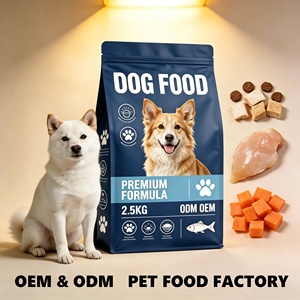

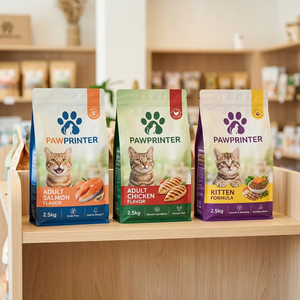
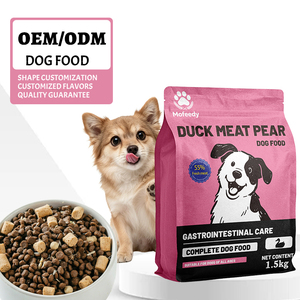
When global procurement directors search for CE Certified Bird Seed Suppliers & Exporters, they are seeking verified guarantees of product safety, phytosanitary control, zero contamination, and standardized manufacturing. While the traditional "CE mark" historically applied to industrial hardware and consumer electronics, in the global agricultural and feed trade, "CE Standards" refers to the rigorous European Conformity frameworks governing feed safety, veterinary health, and environmental compliance.
Our Hungarian processing facility (Pamax Kft., operating since 1993) strictly adheres to the European Union's comprehensive animal feed directives. Sourcing bird seeds and extruded avian nutritional pellets from an EU-certified exporter ensures complete protection against common international supply chain vulnerabilities such as fungal mycotoxins, heavy metal bioaccumulation, bacterial pathogens (Salmonella, E. coli), and pesticide residue excess.
Our factory in Csévharaszt operates under an ISO 22000 Food Safety Management System, incorporating hazard analysis critical control points at every step—from raw grain cleaning to final vacuum sealing.
Full compliance with European feed labeling, analytical constituent declarations, and mandatory traceability systems, ensuring smooth customs clearance in over 30 global export markets.
Advanced optical sorting and triple de-dusting technology remove broken husks, wild weed seeds, and toxic fungal spores (Aflatoxin B1, Ochratoxin A), delivering 99.8% purity.
To assist B2B purchasing agents and private label brand managers, the following data matrix outlines standard physical and analytical parameters across our key commercial avian and pet nutrition product categories:
| Product Category | Primary Ingredients | Crude Protein | Crude Fat | Moisture Content | Processing Method |
|---|---|---|---|---|---|
| Wild Bird Premium Mix | Black Sunflower, Red Millet, Canary Seed, Nyjer | 14.0% – 16.5% | 12.0% – 18.0% | < 11.5% | Triple Cleaned / Optical Sorted |
| Extruded Avian Maintenance Pellets | Ground Corn, Soy Protein Isolate, Wheat Middlings | 18.0% – 22.0% | 5.0% – 8.0% | < 9.0% | Low-Temp Extrusion Cooking |
| High-Energy Songbird Blend | Peanut Kernels, Striped Sunflower, Safflower, Hemp | 17.5% – 20.0% | 22.0% – 28.0% | < 10.0% | De-dusted / Thermal Treated |
| Parrot & Exotic Avian Complete | Extruded Fruit Kibble, Flaked Grains, Dried Fruits | 15.0% – 18.5% | 8.0% – 12.0% | < 10.5% | Co-Extrusion & Vacuum Coating |
As global supply chains navigate climate fluctuations, geopolitical shifts, and changing consumer preferences, international buyers must adapt their procurement strategies. Based on our 30+ years of operational experience in European manufacturing, we have identified four critical trends shaping the future of bird seed and pet food exports:
Traditional whole-seed mixtures suffer from selective feeding behavior (where birds pick out high-fat seeds like sunflower and discard nutritious grains), leading to nutritional imbalances. Importers are increasingly requesting extruded complete diets where essential amino acids, calcium, phosphorus, and vitamins are homogenously blended into palatable kibbles or micro-pellets. Low-temperature extrusion preserves thermolabile micronutrients while sterilizing anti-nutritional factors.
Global border inspection authorities (including the US FDA, European EFSA, and Middle Eastern GSO) have established stringent action levels for Aflatoxins and Fumonisins in seed imports. Exporters who lack internal batch-testing capabilities risk container rejections and port quarantines. Future-ready procurement requires suppliers with dedicated on-site laboratories, NIR (Near-Infrared) grain screening, and full batch traceability back to the agricultural silo.
Rancidity in oil-rich seeds (peanuts, sunflower, hemp) is the primary cause of shortened shelf life during maritime transport. Emerging packaging trends prioritize 3-layer recyclable mono-material laminates equipped with degassing valves and nitrogen flushing capabilities. This process reduces oxygen levels below 1.5%, effectively preventing fat oxidation and bug infestation without reliance on chemical fumigants.
Retail channels are moving away from monolithic multi-national brands toward agile private labels tailored to regional demographic demands. Importers require manufacturing partners that offer flexible contract terms—such as minimum order quantities (MOQs) starting at 5 tonnes per formulation rather than 25-tonne industry standards—allowing rapid SKU testing and efficient inventory management.
Located in Csévharaszt, Hungary, PAMAX Petfoods (Pamax Kft.) offers strategic logistical advantages for international distributors across Europe, the Middle East, Asia, and the Americas. Operating from our state-of-the-art extrusion facility, we handle the entire production lifecycle under one roof:
Our veterinary nutritionists work from a library of 80+ validated formulas or construct bespoke recipes based on your target price, animal life-stage, and analytical targets within 2–3 weeks.
Under a single contract, combine extruded dry dog food, cat kibble, soft training snacks, dental sticks, rodent seed mixes, and floating pond fish food into consolidated container shipments.
From structural bag design (kraft paper, block-bottom, or quad-seal foil) to label text compliance under global feed regulations, our export desk manages the workflow seamlessly.
All shipments leave our Hungarian plant with official EU Veterinary Health Certificates, Certificates of Analysis (CoA), Phytosanitary Certificates (where applicable for whole seed fractions), and ISO 22000 food safety documentation. We meet all requirements governed by EU Regulation 767/2009 and 183/2005.
Our standard private label MOQ starts at 5 tonnes per recipe for paper and 3-layer laminated bags, and 8 tonnes for foil snack pouch formats. We allow mixed pallet configurations across SKUs sharing the same core formula to help importers minimize initial inventory capital.
We employ controlled thermal de-infestation, high-efficiency mechanical screening, and optional nitrogen-flushed barrier packaging. Moisture levels are systematically checked to remain strictly below 11.5%, inhibiting mold spore activation and insect egg hatching during container transport.
Yes. Importers routinely send reference samples or analytical target sheets. Our laboratory analyzes the constituent ratios, fiber fractions, fat profile, and kibble shape to formulate an exact physical and nutritional match at a competitive ex-works (EXW) or FOB European port price.
For initial OEM projects (including packaging film printing and artwork sign-off), total lead time is typically 6 to 8 weeks. Repeat production orders are processed, extruded, packaged, and loaded onto trucks/containers within 3 to 4 weeks from order confirmation.
Connect directly with our Hungarian export management team to discuss custom formulations, packaging options, and shipping terms tailored to your market destination.