EN
ISO 22000 · Made in the EU Direct factory-grade raw materials, freeze-dried protein treats, and premium agricultural export supplies engineered for global importers and enterprise brands.
The global agricultural raw food export market and specialized raw pet food sector are undergoing a profound paradigm shift. Driven by clean-label transparency, intense consumer demand for minimally processed whole foods, and strict international biosecurity mandates, global procurement officers must navigate a complex landscape of contract manufacturing capabilities.
Raw food processing—spanning raw nuts, single spices, dehydrated agricultural goods, and freeze-dried animal proteins—demands advanced technological infrastructure. Modern OEM raw food manufacturing facilities are no longer simple commodity handlers; they operate as high-tech thermal and non-thermal processing plants utilizing sub-zero sublimation, atmospheric dehydration (AD), precise microbial kill-step validations (such as High-Pressure Processing), and automated hygienic packaging lines.
Core Sourcing Principle: Securing a sustainable competitive advantage in global raw food procurement requires shifting from low-cost batch purchases to contract manufacturing partnerships anchored in total batch traceability, rigorous water activity ($a_w$) control, and strict regulatory compliance (EU Regulation 767/2009, FDA FSMA, and ISO 22000 standards).
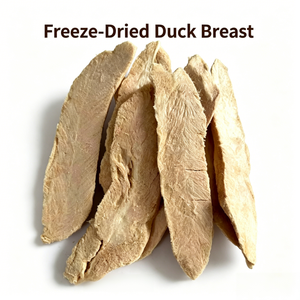
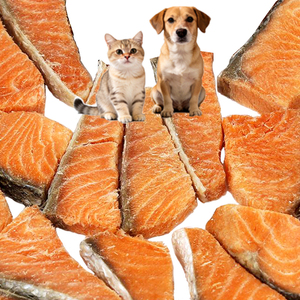
When sourcing raw meat proteins (such as diced chicken, salmon fillets, and duck breast slices) or plant-based raw products (including single spices, raw cashews, walnuts, and dried wood ear mushrooms), the physical stability of the finished goods relies heavily on initial processing standards. Sublimation—the core principle of freeze-drying—removes up to 98% of intrinsic moisture without degrading heat-sensitive nutrients, enzymes, or natural organoleptic characteristics. Consequently, evaluating an exporter's processing equipment, cleanroom protocols, and cold-chain resilience forms the foundation of modern B2B vendor vetting.
Combining over three decades of extrusion, dehydrating, and lyophilization engineering with flexible procurement frameworks designed for global enterprise supply chains.
Our processing sites operate under full ISO 22000 Food Safety Management Systems. Registered for EU intra-community trade and export documentation, every raw food lot undergoes stringent pathogen testing for Salmonella, Listeria monocytogenes, and Enterobacteriaceae.
Our in-house food technologists, agronomists, and veterinary nutritionists maintain a library of over 80 validated formulas. We adapt protein content, dice geometry, moisture levels, functional premixes, and palatants to align with your target margin and regional feed regulations.
We lower entry barriers for private label brands and regional distributors by supporting low Minimum Order Quantities starting from 5 tonnes for standard dry/dehydrated formats and 8 tonnes for specialized foil-packed freeze-dried products, scaling to full container loads (FTL/FCL).
Raw materials—including cereal grains, fresh protein cuts, nuts, and spices—undergo mandatory incoming inspection. We test for aflatoxins, heavy metals, moisture percentage, and organoleptic properties before releasing materials into production lines.
From 60g retail snack pouches with euro-slots to 25kg multi-wall paper bags and bulk big-bag containers, our packaging lines offer nitrogen flushing, zip-lock rescalability, and high-barrier foil laminates to protect product freshness and shelf life.
Serving over 30 export destinations across Europe, the Middle East, Asia, and North America. Our export desk manages custom clearance documentation, phytosanitary certificates, veterinary health attestations, and flexible FCA, FOB, or DAP shipping terms.
Strategic buyers must align their procurement pipelines with long-term technology shifts and regulatory trends. Our analysis of cross-border raw food distribution highlights four macro trends shaping OEM requirements through 2032:
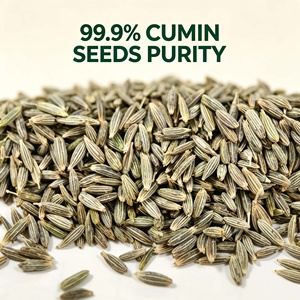
Consumer skepticism regarding artificial additives, ultra-processed grains, and undisclosed meat blends has driven exponential growth in single-ingredient products. OEM factories are increasingly adapting processing lines for pure diced meats (chicken breast, salmon, duck breast) and single spices (raw AD cumin seeds, whole cashews). Maintaining strict cross-contamination controls between mono-protein batches has become a core requirement for contract facilities.
While freeze-drying preserves structural integrity and enzymatic value, combining High-Pressure Processing (HPP) prior to freeze-drying is emerging as the benchmark for pathogen elimination in raw pet food exports. Importers seeking to meet stringent import safety standards without cooking raw protein structures are prioritizing factories equipped with continuous cold-water pasteurization integrated with industrial lyophilization plants.
As international regulations clamp down on non-recyclable multi-layer plastics, raw food exporters are transitioning to fully recyclable mono-material polyolefin films and high-barrier paper packaging. Preserving low moisture activity ($a_w \le 0.3$) in raw foods and nuts without relying on synthetic preservatives requires modified atmosphere packaging (MAP) with automated inline nitrogen flushing.
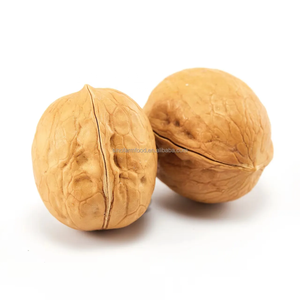
For bulk agricultural exports such as raw walnuts (Grade 32+), cashews, spices, and dried mushrooms (black fungus), international buyers face tightening limits on aflatoxin contamination, pesticide residues, and heavy metals (lead, cadmium). Modern OEM factories must provide batch-specific Certificate of Analysis (CoA) documentation verified by third-party laboratories (e.g., SGS, Eurofins) prior to container loading.
| Processing Technology | Nutrient & Enzyme Retention | Moisture Content ($a_w$) | Target Shelf Life | Primary B2B Product Applications |
|---|---|---|---|---|
| Industrial Lyophilization (Freeze-Drying) | 95% – 98% (Optimal) | < 0.30 (Ultra-Low) | 18 – 24 Months | Diced Chicken/Salmon/Duck Meat, Raw Pet Snacks, Premium Fruits |
| Air Dehydration (AD / Hot Air) | 60% – 75% (Moderate) | 0.40 – 0.60 (Stable) | 12 – 18 Months | Cumin Seeds, Spices, Dehydrated Vegetables, Fungus |
| High-Pressure Processing (HPP + Cold Storage) | 90% – 95% (High) | High (Requires Cold Chain) | 30 – 60 Days (Refrigerated) | Frozen Raw Pet Food Patties, Raw Fresh Juices |
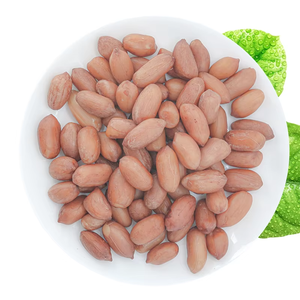
| Roasting & Dry Roasting | 50% – 65% (Altered Profile) | < 0.25 (Low) | 9 – 12 Months | Salted/Unsalted Raw Shell Peanuts, Cashews, Nuts |
Freeze-dried protein products require strictly controlled raw meat handling. Raw cuts are inspected, sanitized, diced to specified dimensions (e.g., 8mm x 8mm cubes or uniform slices), and rapidly frozen down to -40°C. They undergo primary and secondary sublimation inside vacuum drying chambers over a 18-to-24-hour cycle. The final product features a firm texture, zero chemical additives, high crude protein content (≥ 65%), and rapid rehydration capability.
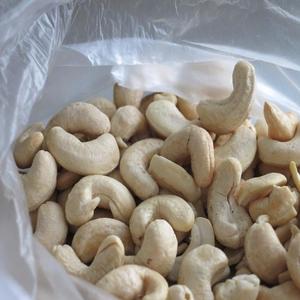
Nut procurement centers on grading, kernel size, defect percentages, and moisture management. Grade 32+ raw walnuts and premium whole cashew kernels undergo automated optical sorting to remove foreign matter, shell fragments, and discolored units. Factory processing must guarantee aflatoxin levels stay within strict EU limits (< 4 μg/kg total aflatoxin) through mandatory lab testing of incoming raw lots.
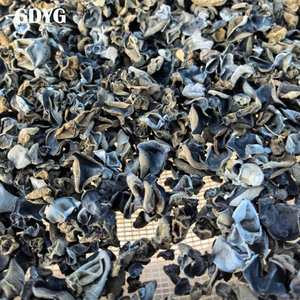
Single spices like AD raw cumin seeds require air drying under controlled temperatures to preserve volatile oil concentrations (≥ 2.5% v/w) while reducing microbiological loads. Whole dried wood ear mushrooms (black fungus) undergo specialized washing, low-temperature dehydration, and size sorting to deliver high rehydration ratios (≥ 1:8 expansion) with zero artificial bleaching or chemical additives.
Direct answers to technical, regulatory, and logistics inquiries commonly raised by global purchasing managers and brand owners.
Connect with our export management team to discuss formulation requirements, packaging options, sample development, and landed pricing for your target market.