EN
ISO 22000 · Made in the EU Direct-from-factory pet food solutions engineered for high digestibility, international compliance, and market-competitive pricing.
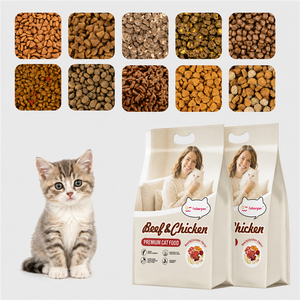
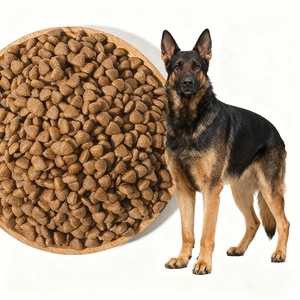
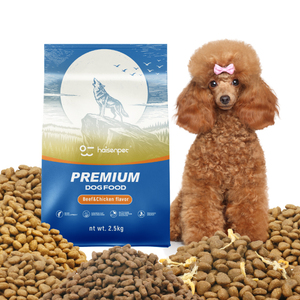
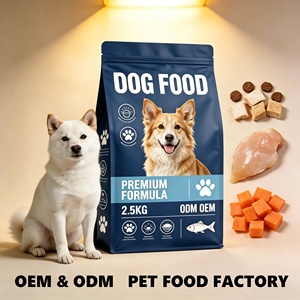
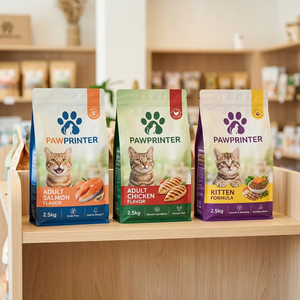
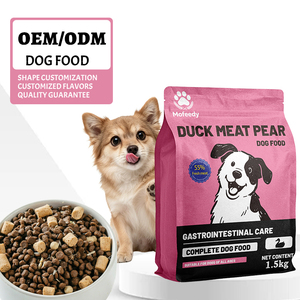
Over the past decade, China’s pet food manufacturing industry has undergone a monumental structural shift from low-cost, high-volume production to world-class extrusion engineering and bio-nutritional science. Leading original equipment manufacturers (OEM) and original design manufacturers (ODM) in China now operate under rigorous quality control standards that rival and frequently exceed European (FEDIAF) and North American (AAFCO) manufacturing benchmarks.
Central to this technical evolution is the widespread adoption of Twin-Screw Thermal Extrusion Technology. Modern twin-screw extruders provide superior mechanical energy control, allowing manufacturers to process high levels of fresh meat slurries (up to 60-70% liquid meat inclusion) without degrading essential amino acid chains or destabilizing kibble bulk density. Starch gelatinization rates consistently exceed 92-95%, which dramatically increases carbohydrate digestibility, reduces intestinal fermentation, and mitigates fecal odor in companion animals.
When evaluating leading China dog food suppliers, global enterprise procurement teams must review critical analytical parameters that determine product safety, shelf stability, and nutritional bioavailability:
Continuous thermal kill steps ($>120^\circ\text{C}$ under elevated pressure) eliminate Salmonella, E. coli, and Listeria. Advanced optical sorting equipment screens raw grains for aflatoxins, zearalenone, and vomitoxin prior to grinding.
Suppliers use natural antioxidant synergies (mixed tocopherols, rosemary extract, and green tea polyphenols) combined with automated nitrogen flushing packaging lines to maintain peroxide values (PV) well below 10 meq/kg throughout a 18-to-24-month shelf life.
Tier-1 factories maintain ISO 22000, HACCP, BRCGS Food Safety, and FDA facility registrations. Furthermore, GACC (General Administration of Customs of China) approval guarantees full traceability from raw material sourcing to container loading.
The global dog food ecosystem is currently undergoing a rapid transformation driven by pet humanization, functional health focus, and sustainability mandates. Commercial buyers sourcing from Chinese exporters can leverage these market dynamics to engineer differentiated product portfolios that command premium margins in competitive retail environments.
Adverse food reactions in dogs (dermatological and gastrointestinal) have heightened demand for novel protein sources. Traditional beef and soy formulations are increasingly being supplemented or replaced by single-source novel animal proteins such as duck, lamb, rabbit, and deep-sea whitefish. The integration of enzymatic hydrolysis—breaking proteins down into low-molecular-weight peptides ($<10,000\text{ Daltons}$)—allows manufacturers to produce hypoallergenic diets that prevent immune system recognition and reduce tear staining in brachycephalic and toy breeds.
Modern pet parents view kibble not merely as caloric intake, but as a preventative healthcare delivery system. Strategic formulation trends include:
As sustainability metrics become critical ESG indicators for major retailers, plant-based and vegan dry kibble formulations have emerged from a niche segment into a stable commercial category. Utilizing extruded non-GMO soy protein isolates, pea protein, and hydrolyzed yeast, Chinese suppliers can formulate complete and balanced vegan diets containing 22.5% to 26% crude protein that fulfill all AAFCO essential amino acid profiles (including synthetic L-carnitine, DL-methionine, and taurine fortification).
To assist procurement directors in identifying the optimal product specification for their target demographic, the table below outlines technical parameter benchmarks for primary OEM export categories:
| Formulation Category | Protein Source | Min. Crude Protein | Min. Crude Fat | Max. Moisture | Primary Functional Benefit | Recommended Target Market |
|---|---|---|---|---|---|---|
| High-Protein Kitten / Young Cat | Fresh Chicken, Chicken Meal | 38.0% | 16.0% | 10.0% | Rapid Muscle & Immune Growth | Premium Veterinary & Specialty Retail |
| Hypoallergenic Holistics | Fresh Duck, Pear, Hydrolyzed Digest | 28.0% | 14.0% | 10.0% | Tear Stain & Skin Sensitivities | Mid-to-High Tier Brand Portfolios |
| Grain-Free Bulk All-Stage | Chicken Meal, Sweet Potato, Peas | 30.0% | 15.0% | 10.0% | Zero-Gluten Digestive Comfort | Mass Retail & Regional Importers |
| Commercial All-Breed Maintenance | Poultry Meal, Corn, Wheat, Rice | 22.0% | 10.0% | 10.0% | Complete Balanced Daily Nutrition | Supermarkets & High-Volume Wholesale |
| Complete Plant-Based Vegan | Soy Isolate, Pea Protein, Rice Protein | 22.5% | 9.0% | 10.0% | Meat Protein Allergy / Eco-Friendly | Niche Specialty & Urban E-Commerce |
Managing a global pet food supply chain requires balancing inventory turnover, freight logistics, customs compliance, and cost-efficiency. B2B buyers working with top Chinese dog food manufacturers are shifting toward strategic contract structures to mitigate market volatility.
Product degradation during ocean transit is a major concern for global pet food importers. Advanced suppliers in China have upgraded from standard single-layer bags to high-barrier packaging formats:
High shipping freight costs demand strict container loading optimization. Leading Chinese exporters provide customized palletization and floor-loading options:
Selecting the right OEM/ODM manufacturing partner in China directly influences your brand’s market credibility, product quality, and supply continuity. Tier-1 manufacturing infrastructure combines state-of-the-art machinery with comprehensive quality management protocols.
In-house PhD nutritionists convert your target cost and guaranteed analysis requirements into precise recipes using linear mathematical programming software, validating amino acid balances against AAFCO and FEDIAF nutritional profiles.
Dedicated documentation teams handle official veterinary health certificates, certificates of origin, sanitary inspections, and customs clearance documents compliant with destination country import regulations.
Barcoded warehouse management systems track every ingredient lot from raw material intake through pre-grinding, extrusion, fat coating, packaging, and final pallet distribution, enabling rapid root-cause tracing.
Partner directly with leading GACC-certified manufacturing facilities in China. Get custom formulation quotes, technical dossiers, and sample kits delivered to your office.