EN
ISO 22000 · Made in the EU Direct factory supply of high-protein, specialized extruded kibbles, small animal formulas, and custom retail packaging solutions engineered for international brand owners.
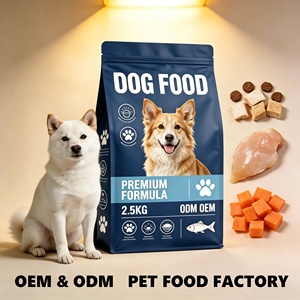

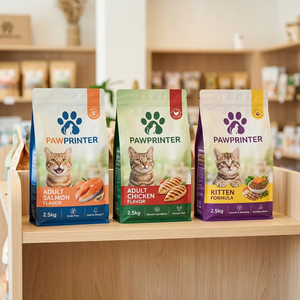
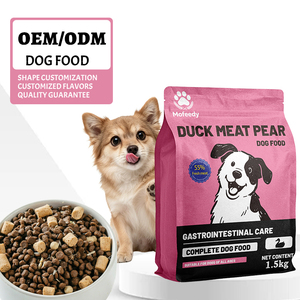
The global market for small pet nutrition—encompassing rodents such as hamsters, guinea pigs, rabbits, chinchillas, rats, and mice—has undergone a profound structural shift over the past five years. Historically dominated by basic seed-and-nut trail mixes, the sector is experiencing a massive migration toward extruded mono-component pellets, functional herbal formulations, and grain-free high-fiber diets.
Commercial procurement directors and private label distributors face unprecedented consumer scrutiny regarding pet longevity, gastrointestinal motility, and dental health. Unprocessed, mixed-seed diets allow small animals to engage in "selective feeding" (sorting out calorie-dense seeds while leaving vital vitamins and fibers behind), which frequently leads to severe metabolic conditions, hepatic lipidosis, and dental malocclusion. Consequently, modern retail chains in Western Europe, North America, and East Asia are enforcing strict dietary guidelines that prioritize uniform extruded pellets and scientifically balanced mueslis.
China has solidified its position as the premier international hub for small animal food manufacturing, leveraging state-of-the-art twin-screw extrusion machinery, direct access to premium agricultural yields (such as sun-cured Timothy grass and alfalfa meal), and robust ISO 22000 quality control frameworks. Sourcing directly from top China rodent food manufacturers grants global procurement officers significant unit-cost advantages without compromising on veterinary compliance or biological safety.
Enterprise buyers seeking reliable private label partnerships require more than mere batch production; they require audited quality systems, technical flexibility, and regulatory guarantees.
Our manufacturing legacy spans over three decades of extrusion expertise. Process engineers fine-tune thermal shear, moisture injection, and die geometry to produce highly digestible kibbles and pellets ranging from 2 mm micro-granules to 20 mm chewable sticks.
Every batch is manufactured under strict food safety protocols. Our plants maintain comprehensive HACCP monitor points, automated metal detection, and rapid mycotoxin screening for full compliance with EU Regulation 767/2009 and US FDA standards.
To support new brand launches and market tests, our production lines accommodate minimal order entry points starting at 5 tonnes per recipe for laminated foil or kraft paper bags, and 8 tonnes for complex multi-process treats.
Unlike carnivores, small mammals possess vastly diverse digestive anatomies—ranging from hindgut fermenters (rabbits, guinea pigs) to omnivorous monogastrics (hamsters, rats, mice). A tier-one OEM/ODM manufacturer must offer tailored chemical and physical specifications to cater to these specific biological requirements.
| Target Species | Key Fiber Base | Protein Target (%) | Crude Fiber (%) | Special Nutritional Requirements |
|---|---|---|---|---|
| Rabbits (Adult Maintenance) | Sun-Cured Timothy Grass | 12.0% – 14.0% | 22.0% – 28.0% | Low Calcium (<0.6%) to prevent urinary sludge; uniform extrusion to prevent selective feeding. |
| Guinea Pigs (Cavy Diets) | Timothy Grass & Alfalfa Meal | 14.0% – 16.0% | 20.0% – 24.0% | Stabilized L-Ascorbyl-2-Polyphosphate (Vitamin C at 800 mg/kg) as cavies lack L-gulonolactone oxidase. |
| Hamsters & Gerbils | Whole Grains, Seeds & Mealworm Protein | 16.0% – 18.0% | 6.0% – 10.0% | Balanced Omega-3/6 fatty acids, animal-derived proteins, compact pellet hardness for gnawing wear. |
| Rats & Mice | Extruded Cereals & Poultry Meal | 18.0% – 22.0% | 4.0% – 6.0% | Controlled lipid levels (<5.0% Fat) to reduce obesity; added Yucca Schidigera extract for odor reduction. |
| Chinchillas | High-Altitude Timothy & Herb Blends | 13.0% – 15.0% | 26.0% – 30.0% | Strictly ultra-low fat (<3.0%), dense particle matrix for optimal caecal fermentation and coat health. |
When selecting a manufacturing partner in China, procurement directors must evaluate the mechanical processing methodology utilized for small animal food:
Stay ahead of consumer demand with whitepaper insights into market trajectories and emerging consumer preferences transforming the small pet food retail industry.
The pet food industry is rapidly adopting sustainable protein ingredients. For omnivorous rodents, insect meals (such as Hermetia illucens / Black Soldier Fly Larvae) offer an exceptionally rich amino acid profile while reducing the carbon footprint by over 70% compared to traditional livestock meals.
Monogastric small mammals have sensitive microflora. Next-generation private label formulations incorporate Mannan-Oligosaccharides (MOS), Fructo-Oligosaccharides (FOS), and heat-stable postbiotics to stabilize intestinal flora, reduce inflammatory gut responses, and naturally firm up feces.
Premium retail SKUs are moving toward hybrid formulations that mix high-fiber extruded kibbles with real freeze-dried vegetables (carrots, pumpkin, zucchini) or freeze-dried raw proteins. This visual texture contrast creates high consumer appeal and premium positioning on store shelves.
With global ESG directives tightening, brands are phasing out unrecyclable multi-material foils. Leading Chinese suppliers now provide mono-material (100% Recyclable PE or PP) high-barrier pouches with EVOH oxygen barriers, ensuring a 18-to-24-month shelf life without degrading nutrient stability.
Before entering into a private label contract with a Chinese rodent food supplier, procurement teams should complete a rigorous factory audit across four primary operational pillars:
Ensure the facility conducts NIR (Near-Infrared Spectroscopy) testing on incoming cereal and forage shipments to evaluate moisture, crude protein, and crude ash in real-time. Verify batch isolation protocols to prevent cross-contamination of allergens.
Check that the thermal kill-step within the extrusion barrel is continuously monitored via SCADA control systems. Continuous temperature logging ensures complete elimination of Enterobacteriaceae before final drying and coating.
Confirm that each production run receives a Certificate of Analysis (CoA) verified by an accredited internal or third-party laboratory (SGS/Eurofins). Essential tests include Heavy Metals (Pb, Cd, As), Aflatoxin B1, and Enteropathogens.
Verify that the factory holds valid veterinary registration with Chinese Customs (GACC) for official export and provides accurate multi-lingual legal labeling compliant with European Regulation (EC) No 767/2009 or target market laws.
Clear, direct answers to common questions from commercial importers and brand owners regarding OEM small pet food manufacturing in China.
Partner with a leading OEM/ODM pet food manufacturer in China. Request our complete 2026 technical catalog, sample packs, and factory-direct price quotes today.
Get Catalog