Global Nutrition & Feed Processing Solutions

Top Trusted Animal Feed Supplier & Exporter

Delivering ISO 22000-certified livestock formulations, aquatic diets, micro-ingredient premixes, and industrial pellet manufacturing machinery across 30+ international markets.

Featured Global Exports

Precision Feeds, Additives & Processing Machinery

Explore our premium animal feed portfolio, micro-nutrient packs, and high-performance granulators engineered for industrial farming excellence.
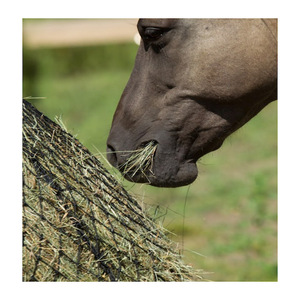
Factory 6' X 6' Green Large Size Slow Feeder Bag Horse Slow Feed Hay Net for Animals

Factory 6' X 6' Green Large Size Slow Feeder Bag Horse Slow Feed Hay Net

Heavy-duty UV-stabilized mesh slow feeder designed to optimize equine digestion, eliminate forage waste, and reduce gastric ulcer risk.
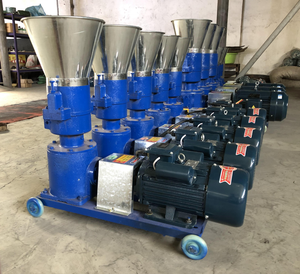
JINGLAI 3000 Kg/h Pellet Making Machine New Farm Livestock Feed Processing Granulator

JINGLAI 3000 Kg/h Livestock Feed Pellet Processing Machine

High-output commercial granulator for pig, cattle, poultry, and fish feed processing. Engineered for continuous thermal conditioning.
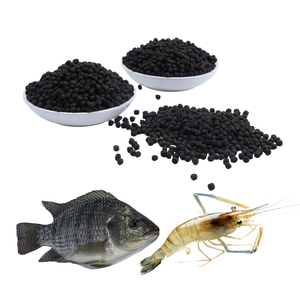
Top High Quality Aquatic Traditional Feed Use for Animal Healthy Growing

Top High Quality Aquatic Traditional Feed for Animal Healthy Growing

Water-stable floating and sinking aquatic formulas optimized for high nutrient absorption, rapid growth, and zero water clouding.
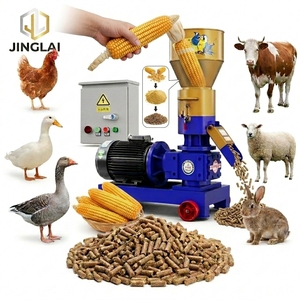
JINGLAI Versatile Poultry Pig Cattle Sheep Chicken Feed Pellet Making Machine

JINGLAI Versatile Multi-Species Feed Pellet Machine (Direct Factory)

Flexible die ring pelletizing system for custom farm formulation. Factory-direct supply for commercial livestock growers.
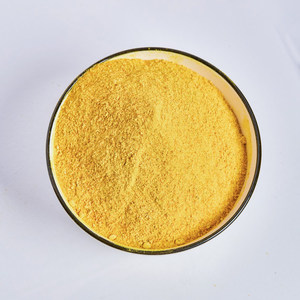
Farm Derived Grain Feed Powder For Cross Breed Livestock Daily Nutrition Supply Corn Gluten Meal Feed

Farm-Derived Corn Gluten Meal Feed (60% Protein Powder)

High-density vegetable protein meal rich in natural xanthophylls, ideal for poultry pigmentation and high-energy ruminant diets.
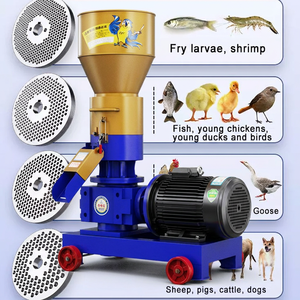
JINGLAI Pig Cattle Chicken Poultry Livestock Feed Pellet Making Machine 200kg/h

JINGLAI 200kg/h Farm-Scale Livestock Feed Pellet Mill

Compact, high-torque feed granulator for small-to-medium farms. Compatible with custom drive assemblies and diverse die sizes.
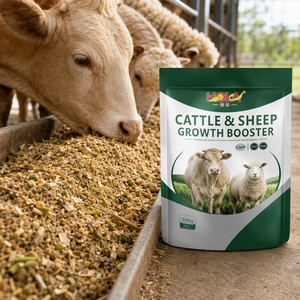
Premium Livestock Feed Premix for Strong & Fattening Cattle Sheep

Premium Ruminant Fattening & Growth Feed Premix

Balanced macro-mineral, trace element, and vitamin fortification complex engineered for beef cattle weight gain and sheep vitality.
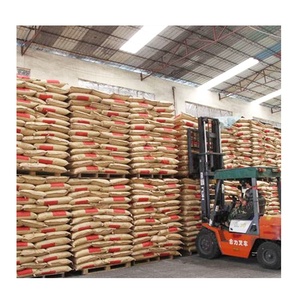
Feed Grade Amino Acids Methionine Lysine Threonine Valine 25kg For Poultry Chicken Feed Pigs

Pure Feed Grade Amino Acids (Methionine, Lysine, Threonine, Valine)

Pharmaceutical-purity crystalline amino acid supplements (25kg packs) to optimize ideal protein ratios and lower nitrogen emissions.

30+
Years Manufacturing Excellence
ISO 22000
Certified Feed Safety Management
80+
Validated Nutritional Formulas
30+
Global Export Markets
European Quality Standard

Why International Buyers Partner With Our Export Operation

Combining 30+ years of twin-screw extrusion expertise, stringent EU regulatory compliance, and fully integrated machinery and ingredient supply chains.

ISO 22000 & EU Registered Facility

Operated under strict EU Regulation 767/2009 and 183/2005 feed hygiene protocols. Our production hub utilizes in-house Near-Infrared (NIR) spectroscopy to audit every batch of incoming cereal, meal, and micro-additive prior to processing.

Direct Contract Manufacturing & Low MOQs

We eliminate intermediary margins by serving directly as your OEM factory. With standard minimum order quantities (MOQs) starting at just 5 tonnes per recipe for specialized feeds, we accommodate regional brand launches and commercial distributors alike.

Full Vertical Integration

Beyond premixes and finished kibbles, our technical scope encompasses industrial pellet manufacturing machinery (from 200 kg/h to 3,000 kg/h capacities), farm management slow feeders, and pure crystalline amino acid blending.

"Our formulation engine combines rigorous animal physiology modeling with real-time global commodity tracking, giving enterprise importers a predictable cost structure without compromising digestible crude protein ratios."
Strategic Procurement Industry Report

Future Sourcing Trends in global Livestock & Animal Feed Procurement

An executive analysis of market dynamics, biosecurity shifts, formulation shifts, and supply chain strategies shaping animal nutrition through 2030.

1. Shift Toward "Ideal Protein Profile" & Precision Amino Acid Fortification

Modern livestock nutrition has definitively moved away from crude protein over-formulation. High crude protein percentages without precise amino acid balance lead to metabolic heat stress, poor feed conversion ratios (FCR), and elevated enteric nitrogen emissions.

Leading global buyers are prioritizing specific crystalline additions—specifically L-Lysine HCl, DL-Methionine, L-Threonine, and L-Valine. By precise supplementation, commercial feed mills reduce reliance on volatile soybean meal markets while improving biological value (BV) by up to 14%.

Amino Acid Component Primary Limiting Target Nutritional Impact
DL-Methionine (99%) Poultry & Feathering Accelerates muscle tissue synthesis and plumage density.
L-Lysine HCl (98.5%) Swine & Ruminants Primary driver of lean tissue accretion; improves FCR.
L-Threonine Gut Health & Mucin Supports intestinal barrier lining and immune defense.
L-Valine High-Yield Broilers Fourth limiting amino acid; optimizes energy utilization.

2. Thermal Processing & Starch Gelatinization

Extrusion technology has rendered traditional mash feeds obsolete in high-yield operations. Modern twin-screw extrusion conditions feed under controlled pressure and temperature, elevating starch gelatinization above 85%. This neutralizes antinutritional factors (ANFs) like trypsin inhibitors while expanding shelf stability.

3. On-Farm Processing Decentralization

Rising logistics costs have driven commercial livestock integration toward on-farm feed pelletizing. By procuring standalone pellet machines (e.g., JINGLAI 200kg/h to 3000kg/h units) alongside imported concentrate premixes and corn gluten meals, mega-farms achieve up to 22% overall feed cost reductions.

4. Sustainable Aquatic Feed Stability

Aquaculture procurement requires strict water stability metrics to prevent nutrient leaching. Modern extruded aquafeeds utilize specialized binder matrices and vacuum fat coating to ensure floating or slow-sinking characteristics remain intact for over 12 hours without disintegrating.

Product & Technological Innovations

Advancements in Animal Feed Formulations & Machinery Engineering

Understanding the engineering and biochemistry innovations transforming livestock health, daily weight gain, and processing efficiency.

Modern Feed Machinery Specifications

Industrial granulators must balance energy consumption with Pellet Durability Index (PDI) scores exceeding 96%. Key design parameters for modern feed machinery include:

  • Ring Die Compression Ratios: Standardized between 1:8 and 1:12 to ensure optimal density without thermal degradation of synthetic vitamins.
  • Steam Conditioning Chambers: Extended retention times (45–60 seconds) at 85°C to achieve complete bacterial decontamination (Salmonella/E. coli elimination).
  • Dual-Drive Motor Configuration: High-torque transmission systems providing 3000 kg/h output while maintaining low vibration levels under continuous heavy loads.

Concentrated Plant Proteins: Corn Gluten Meal (CGM)

As a key derived grain protein powder, 60% Feed Grade Corn Gluten Meal serves as a staple in cross-breed livestock and poultry formulations:

  • Xanthophyll Pigmentation: High concentration (>250 mg/kg) provides natural golden color to broiler skin and egg yolks without synthetic colorants.
  • Low Ash Content: Under 2.5%, ensuring minimal mineral imbalance when formulating high-density finishing rations.
  • Rumen Bypass Protein: Over 55% of CGM protein escapes rumen degradation, providing direct amino acid absorption in the small intestine of beef cattle.
Buyer Guidance

Frequently Asked Questions for Animal Feed Procurement

Detailed technical, operational, and export logistics answers for procurement managers and farm owners.

What are the minimum order quantities (MOQs) for custom feed formulations and premixes?
Our standard production MOQ starts at 5 tonnes per recipe for specialized bagged feeds (paper or 3-layer laminated sacks) and 8 tonnes for specialized foil-packed formulations. For micro-ingredient premixes and feed-grade amino acid packs (25kg bags), containerized mixed-pallet loading (FCL) can be arranged to maximize freight cost efficiency for regional distributors.
How do you ensure ISO 22000 compliance and quality control across bulk animal feed exports?
Every batch manufactured at our Hungarian EU facility undergoes systematic NIR testing upon raw material intake. We conduct continuous moisture control, particle size verification, bio-burden testing (Salmonella, Mycotoxins, Heavy Metals), and retained batch sampling. Full batch traceability records and a Certificate of Analysis (COA) are issued with every export documentation set.
Can you custom-formulate nutritional feeds according to regional grain availability?
Yes. Our in-house animal nutritionists work with a library of over 80 validated formulas. We can adapt crude protein, metabolizable energy (ME), fat coating levels, kibble geometries, and micro-nutrient packs to complement your regionally sourced basal grains (e.g., wheat, corn, barley, sorghum) while meeting target price points.
What is the technical operational life and maintenance requirement for the JINGLAI pellet machines?
JINGLAI feed pellet processing granulators are manufactured with high-grade alloy steel die rings and heat-treated roller shells. Under standard operational protocols, die rings yield between 800 to 1,200 hours of continuous operation depending on raw material abrasiveness. We provide complete spare parts packages, die ring replacements (2mm to 8mm hole diameters), and motor maintenance schematics.
What standard lead times should global buyers plan for international logistics?
Repeat orders for established formulations or standard machinery components typically ship within 3 to 4 weeks. For new custom private-label private brand developments—including bag artwork approval, laboratory trial batches, and veterinary certificate issuance—the lead time ranges from 6 to 8 weeks from specification sign-off.
Direct Export Desk

Ready to Optimize Your Feed Supply Chain & Processing Capacity?

Contact our global sales engineering team today to request product specifications, custom formulation quotes, technical machinery dossiers, or containerized freight estimates.

Get a Quote