EN
ISO 22000 · Made in the EU Explore our high-demand OEM/ODM dry dog kibbles, hypoallergenic duck formulas, and specialized pet food lines
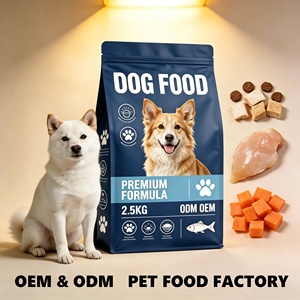
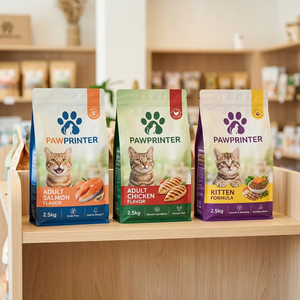
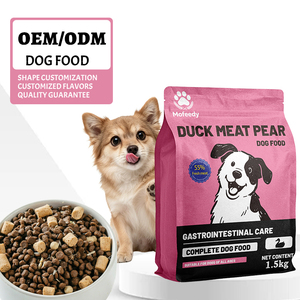
Technical benchmarks, biochemical standards, and strategic quality control in novel protein treat processing
In the rapidly evolving global pet care sector, premium treats—specifically duck jerky snacks and hypoallergenic novel protein treats—have shifted from niche luxury items to core retail drivers. Modern pet owners actively seek clean-label, single-ingredient, high-protein rewards that mitigate food sensitivities associated with common proteins like beef or standard poultry. As a commercial importer, brand owner, or supermarket procurement director, selecting a reliable Duck Jerky Manufacturer & Supplier requires strict evaluation of raw material integrity, dehydration thermodynamics, microbiological pasteurization standards, and international regulatory compliance.
High-grade commercial duck jerky relies entirely on single-origin, veterinary-inspected duck breast fillets or deboned skeletal tissue. Our production facilities maintain direct contract-farming oversight, enforcing strict standards regarding antibiotic-free sourcing, complete traceability back to farm origin, and rigorous intake screening.
Unlike lower-tier treats that incorporate reconstructed paste or heavy starch fillers, authentic premium duck jerky undergoes minimal physical manipulation. The raw meat profile must meet stringent parameters before entering the dehydrators:
| Analytical Parameter | Raw Meat Benchmark | Finished Jerky Standard | Testing Protocol / Quality Objective |
|---|---|---|---|
| Crude Protein | 19.5% – 21.8% | ≥ 62.0% – 70.0% | Kjeldahl Method (ISO 5983) – Ensures dense muscle tissue structure |
| Crude Fat (Lipids) | 3.2% – 5.5% | ≤ 5.0% – 8.0% | Soxhlet Extraction – Trimmed breast tissue prevents rapid fat oxidation |
| Moisture Content | 74.0% – 76.5% | 12.0% – 14.5% | Gravimetric Oven Drying – Prevents mold formation while maintaining chewiness |
| Water Activity ($a_w$) | ~0.99 | ≤ 0.62 – 0.65 | Chilled-mirror Dew Point Hygienometer – Stops Salmonella & Staphylococcus growth |
| Peroxide Value (PV) | < 1.0 meq/kg | < 5.0 meq/kg fat | Titrimetric Assays – Monitors lipid degradation and shelf stability |
The manufacturing process of duck jerky involves specialized multi-stage drying cycles tailored to preserve delicate amino acids (such as Lysine and Taurine) while delivering full microbial kill steps. Standard hot-air dehydration often leads to "case hardening"—a defect where the outer layer dries too quickly, trapping moisture within the core and inviting fungal contamination during international container transit.
Our EU-certified drying lines solve this through program-controlled humidity-step dehydration:
Market forecasting and consumer shift analysis for procurement managers planning 2025–2030 product lines
Global veterinary diagnostic data indicates a sharp rise in canine food sensitivities to common proteins (chicken/beef). Duck is widely classified as a novel protein with lower allergenicity. B2B procurement is shifting toward 100% single-ingredient formulas with clean-label, zero-grain declarations to capture premium veterinarian-recommended retail shelf space.
Treats are transitioning from simple rewards to functional wellness vehicles. Combining real duck meat with functional botanicals—such as freeze-dried pear (for tear stain reduction and digestive fiber), cranberry extract (urinary health), or marine collagen (joint support)—allows brands to command 35%–50% higher retail margins.
With increasing scrutiny on global maritime logistics and supply chain ESG compliance, European and Western importers prefer EU-manufactured pet food. Contract facilities utilizing green energy, local duck farming integration, and fully recyclable mono-PE film bags reduce scope-3 emissions for major retail brands.
A major competitive advantage for global pet brands is physical format differentiation. Standard commodity duck jerky consists of plain flat strips; however, modern automated extrusion and slicing lines allow custom geometric engineering to cater to varying dog sizes, dental requirements, and chew behaviors:
Over three decades of contract extrusion, drying precision, and European regulatory excellence
Operated out of our state-of-the-art facility in Csévharaszt, Hungary, every batch complies with EU Regulation 767/2009 (feed placing) and Regulation 183/2005 (feed hygiene). Full traceability from incoming farm batches to outbound sea containers.
We lower international entry barriers with scalable minimum order quantities starting at 5 tonnes for dry kibbles and 8 tonnes for foil snack pouches, offering mixed-pallet consolidation across distinct recipe families.
Our dedicated nutritional laboratory turns custom benchmark samples into exact commercial formulations within 2 to 3 weeks, fine-tuning protein levels, moisture profiles, natural fat coatings, and targeted kibble geometries.
Comprehensive technical and commercial guidance for international pet food buyers
Connect with our senior export sales team and food engineers to request custom formulations, sample kits, or factory-direct pricing for international distribution.
Inquire Now