EN
ISO 22000 · Made in the EU Direct factory supply manufactured under strict EU pet food safety protocols (ISO 22000, Regulation EC 767/2009). Custom formulation, kibble sizing, and packaging structures available.
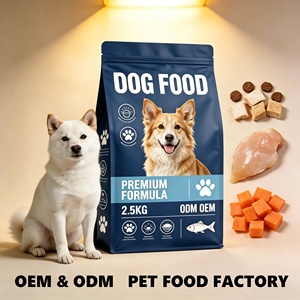

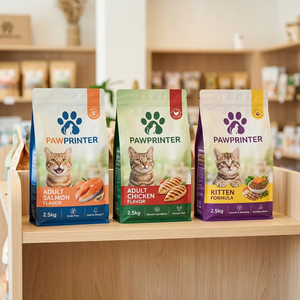
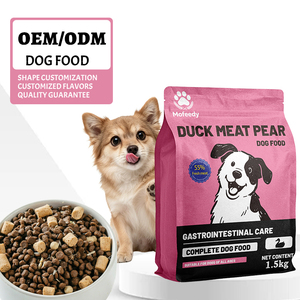
The global pet food industry is undergoing a profound structural shift. Driven by humanization trends, pet owners across North America, Europe, and the Asia-Pacific region demand high-protein, clean-label, and functional diets for their companion animals. For global brand owners, importers, and retail chains, navigating the complex landscape of private label pet food manufacturing requires an in-depth understanding of twin-screw thermal extrusion technology, nutritional bio-availability, raw material traceability, and regulatory compliance.
Information Gain Benchmark: Modern pet food buyers no longer look solely at crude protein metrics. True procurement value lies in Specific Mechanical Energy (SME) control during extrusion, post-extrusion vacuum lipid coating efficiency, and thermal lethality verification to eliminate microbial threats without degrading essential heat-sensitive micronutrients.
Dry pet kibble manufacturing relies heavily on hydro-thermal processing. In leading European manufacturing plants, raw ingredients—ranging from fresh animal tissues and rendered protein meals to ancient grains and pulses—are micro-ground to precise particle sizes (<500 microns) before conditioning. Pre-conditioning introduces steam and water, elevating the mass to 80°C–90°C to initiate pre-gelatinization of starches.
During twin-screw extrusion, high shear forces and temperatures upwards of 120°C–140°C cause total starch cook (gelatinization rate >90%), rendering carbohydrates digestible while denaturing anti-nutritional factors. The matrix expands as it exits the die plate, creating the porous cellular structure necessary for subsequent lipid vacuum enrobing. Precise kibble density management ensures structural integrity during transport, eliminating product fines and dusting in the retail pouch.
Achieving >92% gelatinization ensures superior energy conversion, optimal digestive safety, and prevents post-consumption gastric distress in carnivores.
Post-extrusion vacuum liquid addition infuses fats, omega oils, and palatants deep into the kibble core without greasy surface residue.
Rigorous micro-kill step validations guarantee zero Salmonella or Enterobacteriaceae contamination across every manufactured batch.
Exporting premium dry pet foods internationally requires absolute strictness regarding safety regulations. European manufacturing facilities operate under the stringent oversight of the European Food Safety Authority (EFSA) and local veterinary bodies. Key regulatory frameworks that govern high-end kibble exporting include:
As retail competition intensifies, pet food importers and brand creators must align their sourcing strategies with long-term consumer demand vectors. Below is an analytical breakdown of the key macro trends defining the contract manufacturing sector over the next decade.
Sensitivities and cutaneous adverse food reactions in canine and feline populations are driving growth in hypoallergenic diets. Conventional poultry and beef bases are increasingly complemented by single-source novel proteins such as duck, lamb, venison, and sustainable insect meal (Hermetia illucens). Formulations pairing duck with functional botanical fibers (e.g., pear, apple pomace, dried beet pulp) provide effective tear-stain control and digestive stability.
The vegan pet food sector is transitioning from a niche sub-segment to a mainstream retail alternative. Modern plant-based kibbles utilize concentrated pea protein isolates, potato protein, yeast hydrolysates, and flaxseed meal to achieve crude protein targets of 22% to 26%. Crucial to the efficacy of vegan formulations is precise supplementation with synthetic crystalline amino acids—most notably L-Carnitine, Taurine, DL-Methionine, and L-Lysine—preventing cardiac disorders such as Dilated Cardiomyopathy (DCM).
Pet nutrition is evolving beyond baseline caloric balance toward preventative healthcare. Premium private label contracts now regularly mandate functional additive packages:
| Functional Category | Key Active Ingredients | Target Health Benefit | Target Pet Segment |
|---|---|---|---|
| Joint & Mobility Support | Glucosamine HCl, Chondroitin Sulfate, Green-Lipped Mussel | Cartilage maintenance, anti-inflammatory support | Large breed adult & senior dogs |
| Dermal & Coat Health | Salmon Oil (EPA/DHA), Zinc Chelates, Biotin, B-Complex | Skin barrier reinforcement, hair follicle luster | Long-haired cat & dog breeds |
| Microbiome Balance | FOS, MOS, Inulin, Heat-Stabilized Postbiotics | Pathogen competitive exclusion, stool quality | Puppies, kittens, sensitive digestion |
| Weight & Urinary Care | L-Carnitine, DL-Methionine, Low Magnesium, Balanced Ash | Satiety, urine pH stabilization (6.0 - 6.5) | Indoor cats, neutered/sterilized pets |
PAMAX Petfoods (Pamax Kft.) stands out as a premier European contract manufacturer operating out of Csévharaszt, Hungary. Established in 1993, the plant brings over three decades of extrusion expertise to the global marketplace, operating as a dedicated production engine for private labels, retail brands, and international importers across 30+ countries.
Unlike massive industrial conglomerates requiring 20+ tonne minimums per SKU, PAMAX enables agile commercial expansion with low minimum order quantities starting at just 5 tonnes for dry kibble formulas.
Access an internal formulation library of over 80 validated recipes or co-create bespoke formulations tailored to specific target cost-per-kilo, analytical guarantees, or regional ingredient preferences.
Complete regulatory dossier support including EU Health Certificates, Certificate of Origin, EUR.1 documentation, and container loading optimization (20-24 tonnes per FTL/40ft HQ).
Elevate your pet food brand with EU-manufactured premium dry kibbles. Contact our export engineering desk today to receive complete technical specifications, sample kits, and direct factory pricing.