EN
ISO 22000 · Made in the EU Factory-direct high-protein dry kibbles, semi-moist snacks, and specialized rodent food formulations engineered for retail chains, distributors, and pet brands across Riyadh, Jeddah, Dammam, and the GCC.
An Executive Analysis of Market Shift, Import Compliance, and High-Fibre Extrusion Dynamics for Saudi Retail Brands
The pet food market in the Kingdom of Saudi Arabia (KSA) is undergoing an unprecedented structural expansion driven by urban development under Saudi Vision 2030, shifts in household demographics, and elevated pet humanization. While cats and dogs historically dominated commercial import volumes, modern urban pet owners in major metropolitan hubs—such as Riyadh, Jeddah, Dammam, Khobar, and Madinah—are increasingly adopting small mammals and rodents, including hamsters, guinea pigs, rabbits, chinchillas, and ferrets.
This demographic transition has created a sharp demand surge for specialized, high-fibre rodent diets and balanced extruded pelleted feed. Saudi retail buyers, hypermarkets (such as Lulu, Panda, Tamimi Markets, and Manual Market), and veterinary supply chains require reliable B2B private label suppliers capable of delivering consistent EU-standard nutritional formulations, robust heat-tolerant packaging structures, and full compliance with the Saudi Food and Drug Authority (SFDA) regulations.
Information Gain Metric: In warm desert climates with high ambient temperatures, non-extruded muesli mixes often suffer from selective feeding, rapid lipid oxidation, and pest vulnerability. Extruded homogeneous rodent pellets guarantee 100% nutrient uniformity per byte, preventing nutritional deficiencies while increasing shelf stability up to 18 months under GCC warehousing conditions.
Historically, Saudi Arabia relied heavily on finished retail imports from Western markets. However, high freight costs, changing exchange rates, and lengthy supplier lead times have prompted regional pet food brand owners and retail conglomerates to seek contract manufacturing partners capable of OEM/private label execution. Key requirements for penetrating the Saudi market include:
Small herbivores and omnivorous rodents possess unique physiological and gastrointestinal requirements. Unlike non-ruminant carnivores, rodents demand strict fibre-to-starch ratios to ensure continuous dental wear and optimal cecal fermentation. As a primary European extrusion facility operating under ISO 22000 standards, our R&D laboratory formulates rodent diets around specific biological vectors:
Integrating Timothy Grass, Meadow Fescue, and premium Alfalfa meals up to 22% crude fibre. Thermal cooking gelatinizes starch for high digestibility while preserving natural plant silicas vital for continuous tooth grinding.
Guinea pigs lack the enzyme L-gulonolactone oxidase and cannot synthesize Vitamin C internally. We utilize heat-stable L-ascorbyl-2-polyphosphate, ensuring active potency even after high-temperature extrusion and GCC transit.
Enriched with natural Yucca Schidigera extracts and fructo-oligosaccharides (FOS) to neutralize intestinal ammonia production—a major selling feature for urban indoor small pet owners in Saudi apartments.
Our OEM manufacturing facility offers targeted nutritional profiles optimized for distinct small animal species. Below is our standard manufacturing reference table for private label brands in Saudi Arabia:
| Species / Category | Crude Protein (Min) | Crude Fat (Min/Max) | Crude Fibre (Range) | Key Nutritional Focus | Recommended Kibble/Pellet Size |
|---|---|---|---|---|---|
| Adult Rabbit (Lagomorph) | 13.0% - 15.0% | 2.0% - 3.5% | 18.0% - 22.0% | High Timothy Fibre, Low Calcium to Prevent Urinary Stones | 4.0mm x 12mm Cylindrical Pellet |
| Guinea Pig (Cavy) | 15.5% - 17.5% | 3.0% - 4.0% | 16.0% - 18.0% | Protected Vitamin C (800mg/kg), Rosehip Inclusions | 3.5mm x 10mm Extruded Stick |
| Hamster & Gerbil | 16.0% - 18.5% | 4.5% - 6.0% | 7.0% - 10.0% | Animal Protein Inclusion, Animal-Safe Seeds & Extruded Flakes | Mixed 6mm Kibbles & Pellets |
| Chinchilla & Degu | 14.0% - 16.0% | 2.5% - 3.5% | 19.0% - 23.0% | Zero Added Sugar, Low Starch, High Herbaceous Matrix | 4.0mm Dense Extrusion |
Private label rodent and small animal food manufactured at our European facility is deployed across diverse retail and commercial channels in KSA:
Three decades of extrusion mastery combined with flexible B2B contract terms.
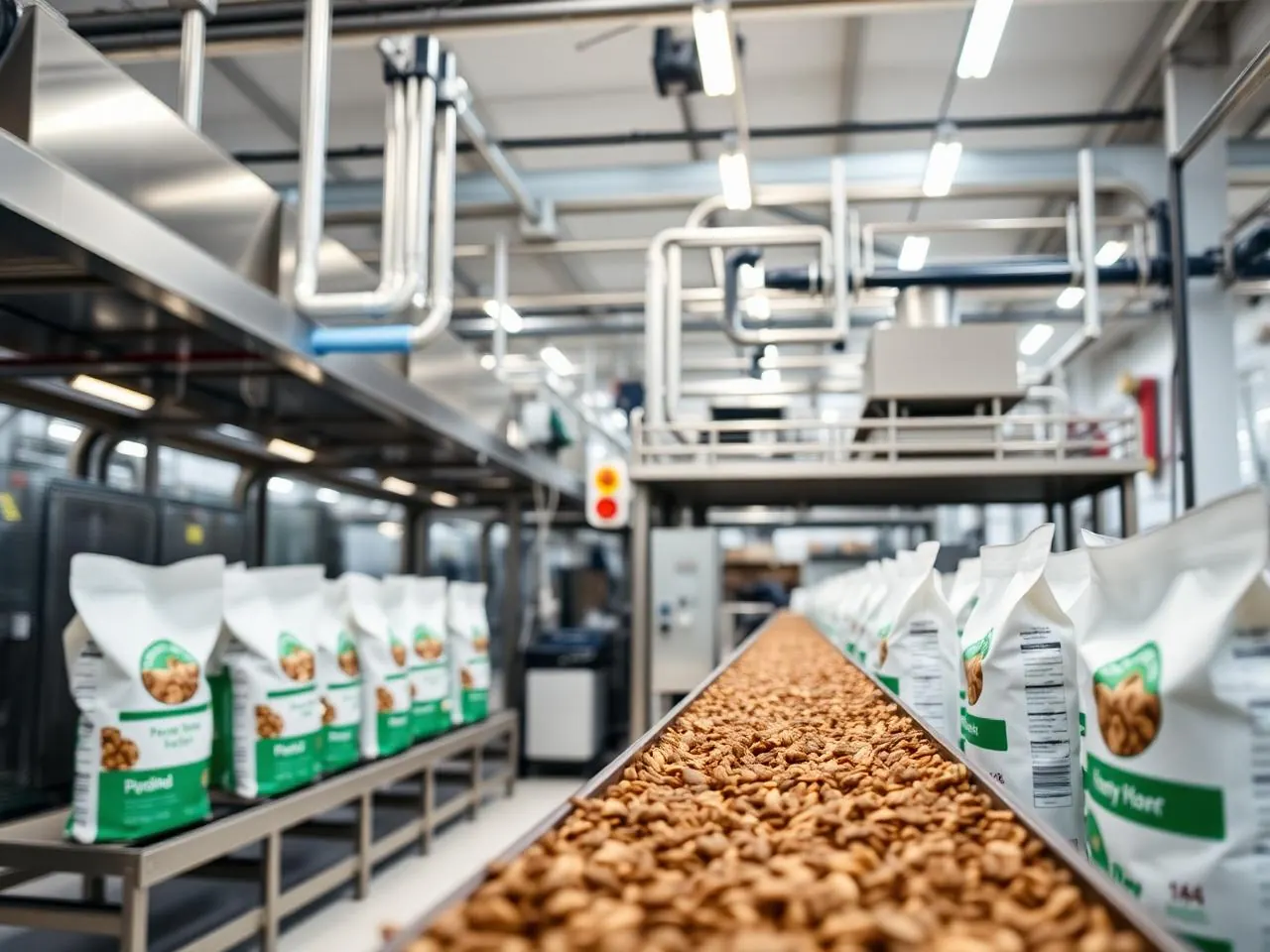
Every bag is processed and extruded in our dedicated factory in Csévharaszt, Hungary. You contract directly with the plant, eliminating intermediary markups and ensuring complete operational transparency.
Unlike global conglomerates requiring multi-container commitments per single SKU, we support growing Saudi brands with low 5-tonne MOQs per recipe family, allowing for agile stock testing and cash-flow efficiency.
Operating under strict HACCP and ISO 22000 food safety management systems, fully certified under EU Regulations 767/2009 and 183/2005 for export compliance into the Middle East.
Our regulatory team manages artwork adaptation, technical datasheets, ingredients translation into Arabic, and provides official certificates required for Saudi customs clearance.
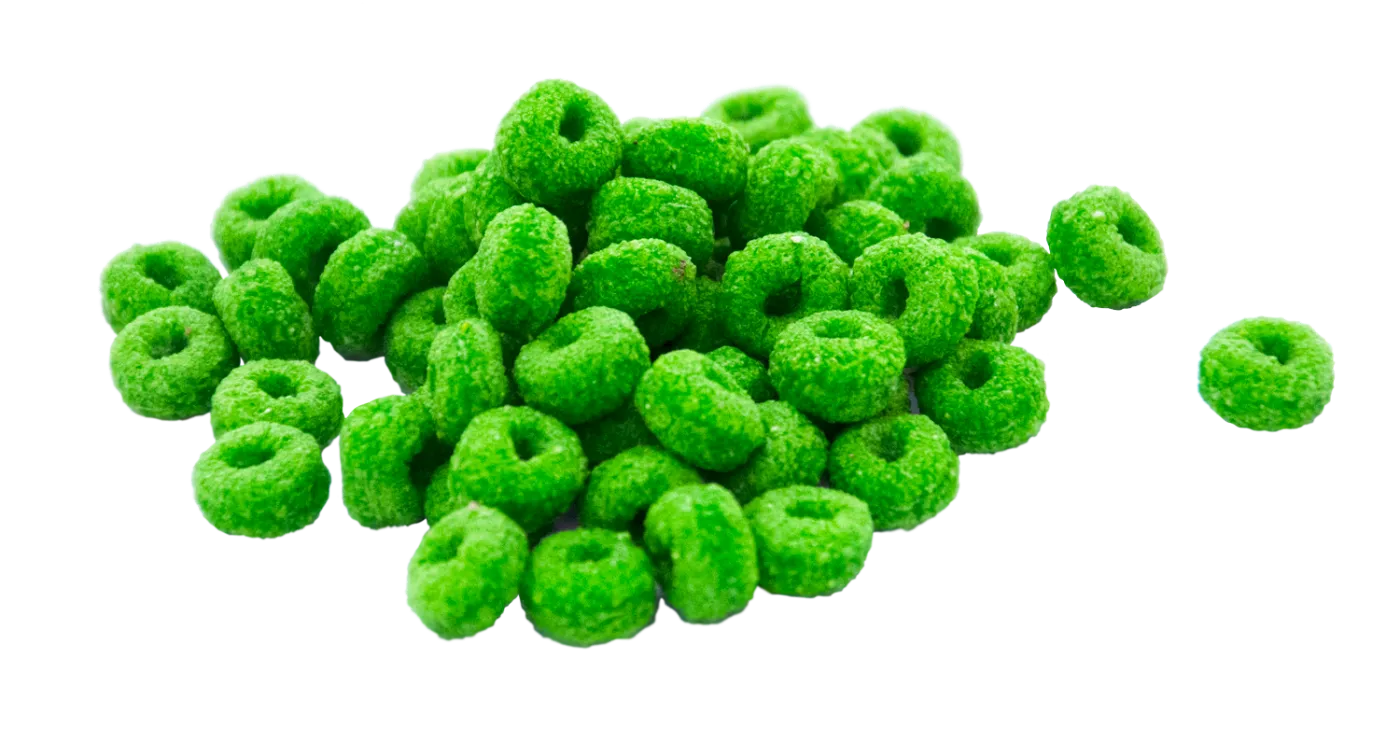
Access an internal library of over 80 validated recipes or develop bespoke shapes, pellet diameters, colours, and functional premixes to match your target price point and shelf position.
Engineered multi-layer packaging solutions (paper-plastic laminates, aluminum barrier bags, zipper pouch options) specifically designed to withstand long-distance maritime transport and GCC heat.
Launching a custom rodent or small animal pet food brand in Saudi Arabia involves a streamlined, transparent 5-phase engineering protocol designed to minimize lead time while securing maximum product consistency:
Technical, regulatory, and commercial answers for procurement managers in KSA.
Our standard production minimum is 5 tonnes per recipe for paper and 3-layer laminate bags, and 8 tonnes for foil snack formats. We allow mixed palletization across different pack sizes of the same recipe family, enabling importers in Riyadh or Jeddah to optimize initial inventory commitments.
Yes. As an ISO 22000 European manufacturer, our plant produces under strict EU feed hygiene standards (Reg 183/2005). We supply all required technical documentation—including Certificates of Free Sale, Official Veterinary Health Certificates, Analysis Certificates, and Arabic label declarations—necessary for successful SFDA registration and customs clearance in Saudi ports.
We engineer our products specifically for long shelf-life stability. Extruded moisture levels are tightly controlled below 9.0%, and fat matrices are fortified with natural mixed tocopherols and organic acid preservatives. Furthermore, our multi-layer aluminum barrier packaging prevents UV degradation, oxygen transfer, and moisture ingress.
Absolutely. For small herbivorous pets (rabbits, guinea pigs, chinchillas), our formulations are 100% plant-based, using alfalfa, timothy grass, cereals, and plant protein extracts. For omnivorous rodent recipes or mixed pet food lines requiring animal protein, we utilize certified animal protein sources fully compliant with GCC import standards.
Initial private label orders take approximately 6 to 8 weeks, incorporating artwork preparation, cylinder/film printing, extrusion, quality testing, and document issuance. Repeat orders ship within 3 to 4 weeks from our Hungary factory. Maritime transit from European ports to Saudi Arabia typically ranges between 14 to 22 days depending on the shipping line.
Yes. We maintain an extensive array of extrusion dies offering rounds, stars, hearts, cylindrical pellets, and custom sticks. Our graphic engineering team provides exact dielines and checks your Arabic/English artwork against feed labelling laws to ensure high visual impact on Saudi retail shelves.