EN
ISO 22000 · Made in the EU 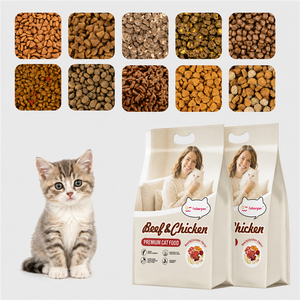
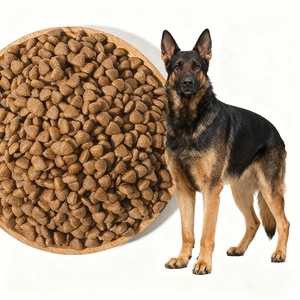
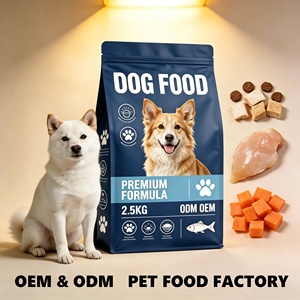
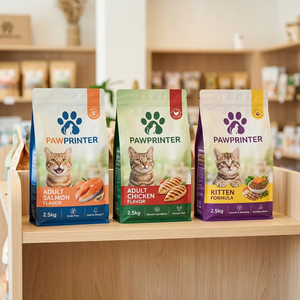
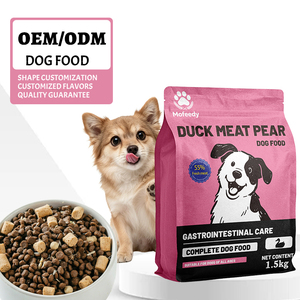
South Korea’s pet food market has underwent an unprecedented transformation over the past decade. Driven by demographic shifts—specifically the rapid rise of single-person households ("1인 가구") across metropolitan areas such as Seoul, Incheon, and Gyeonggi-do—feline companionship has surged. Today, South Korea is home to an estimated 2.4 million domestic cats, creating a sophisticated consumer base that treats pets as integral family members ("Pet Humanization" or "Petme").
Unlike Western markets where outdoor cat access is common, over 95% of domestic cats in South Korea live strictly indoors within high-density residential apartments. This environmental reality dictates distinct physiological requirements that B2B brand owners, distributors, and pet food importers must address to gain a competitive advantage in K-pet retail:
Indoor cats exhibit lower voluntary water consumption. South Korean pet owners proactively seek dry cat biscuits engineered with precise dietary cation-anion balance (DCAB), low magnesium levels (<0.09%), and added L-methionine to maintain target urinary pH (6.2–6.5).
Reduced exercise in apartment environments leads to higher obesity risks and self-grooming hairball accumulation. Formulations must incorporate insoluble beet pulp, miscanthus fiber, and L-carnitine to facilitate intestinal transit and lipid oxidation.
Korean feline palatability preferences strongly lean toward marine proteins including Pacific tuna, Norwegian salmon, dried anchovy (멸치), and hydrolysed chicken liver. Synthetic flavor enhancers are widely rejected by discerning K-pet buyers.
To win market share in Korean distribution channels (Coupang, Naver Smartstore, Olive Young, and specialized veterinary clinics), importers require a **trusted manufacturing partner** capable of delivering high-protein, functional cat kibble that strictly aligns with the guidelines set by the **Ministry of Agriculture, Food and Rural Affairs (MAFRA)** and the **Animal and Plant Quarantine Agency (APQA)**.
Understanding how South Korean consumers interact with cat biscuits allows private label buyers to specify exact product physical properties, kibble geometry, and packaging functionality.
Due to long working hours common in South Korea's corporate culture, over 60% of urban cat owners utilize smart automatic pet feeders (e.g., Xiaomi, Petkit, Aqara). Standard irregularly shaped kibbles frequently cause mechanical jamming or crumble into dust inside feeder hoppers.
As a specialized manufacturer, our plant utilizes custom **dual-torpedo extrusion dies** producing uniform 6mm–8mm pill-shaped or rounded-disc kibbles. These shapes feature optimized bulk density (420–460 g/L) and superior mechanical structural integrity, guaranteeing 100% jam-free dispensing in modern automatic feeding systems.
In South Korea's premium cat treat segment, "Cat Biscuits" often refer to pocket-style functional treats featuring a crisp extruded outer shell and a palatability-dense soft center. These are widely used by cat owners as daily bonding rewards and stress-relief snacks during grooming or claws clipping.
South Korea experiences extreme seasonal humidity during the summer monsoon season (장마 - Jangma). Unprotected dry food absorbs moisture rapidly, leading to lipid oxidation, loss of crunchiness, and mold formation. We equip our private label partners with high-barrier **3-layer PET/AL/PE foil laminates** and **nitrogen-flushed packaging lines**, ensuring a stable 18-month shelf life even under harsh climatic conditions.
With over 30 years of continuous extrusion technology refinement since 1993, our European production base stands as a benchmark for high-protein pet food contract manufacturing. We provide white-label partners with full technical transparency and information gain across every manufacturing milestone.
Traditional single-screw extruders rely heavily on starch binders (often 40%+ carbohydrates) to achieve expansion, resulting in low-protein kibbles unsuited for obligate carnivores. Our state-of-the-art **pre-conditioning twin-screw extruders** allow for:
Every single batch of raw material—from poultry meal to micro-premixes—undergoes Near-Infrared (NIR) spectroscopy testing upon site entry. Our plant operates under strict **ISO 22000 Food Safety Management** and HACCP protocols, maintaining full batch traceability from raw material silos to loaded shipping containers bound for South Korean ports (Busan, Incheon).
To assist global brand managers in tailoring their product roadmaps, our market research team has identified four mega-trends driving cat food procurement in South Korea:
Korean pet parents prefer "All-in-One" functional biscuits. High-growth claims include joint care (Glucosamine/MSM), oral hygiene (Sodium Hexametaphosphate for tartar control), and stress reduction (L-theanine and Chamomile extracts).
Corn, wheat, and soy are increasingly blacklisted by South Korean consumers. Winning formulas utilize grain-free bases derived from sweet potato, tapioca, and yellow peas to minimize glycemic spikes and food sensitivities.
South Korea enforces stringent recycling classification laws ("분리배출"). Brands adopting 100% recyclable Mono-PE or Mono-PP foil pouches receive significant consumer favor and regulatory compliance ease.
Below are technical and operational answers to common inquiries from South Korean pet food brand owners, trade distributors, and OEM buyers.
As a dedicated B2B contract manufacturer with over three decades of operational history, we do not compete with our customers in retail. Our sole focus is building the technical, nutritional, and commercial success of your pet food brand.
Every bag of kibble is extruded, coated, and packed at our single integrated plant in Csévharaszt, Hungary. You audit one site, one quality control team, and one transparent supply chain.
Our veterinary nutritionists adapt protein sources, energy density, and functional additives to match your exact target retail price point and market claims within 10 business days.
We possess deep experience navigating complex international veterinary health standards, customs declarations, and multi-language labeling regulations across Europe, Asia, and the Middle East.
Contact our B2B export desk today to request technical product specifications, full nutritional dossiers, or custom OEM quote estimates.